〒213-0002 神奈川県川崎市高津区二子1丁目7−17
リバーサイドマンション杉崎 102 二子新地駅 徒歩3分
| 月 | 火 | 水 | 木 | 金 | 土 | 日祝 | |
|---|---|---|---|---|---|---|---|
| 9:00〜13:00 | ● | ● | ● | ● | ● | ● | ─ |
| 15:00〜19:00 | ● | ● | ● | ● | ● | ● | ─ |
姿勢と腰部脊椎疾患の関係
公開日:2026/01/06
更新日:2026/05/30
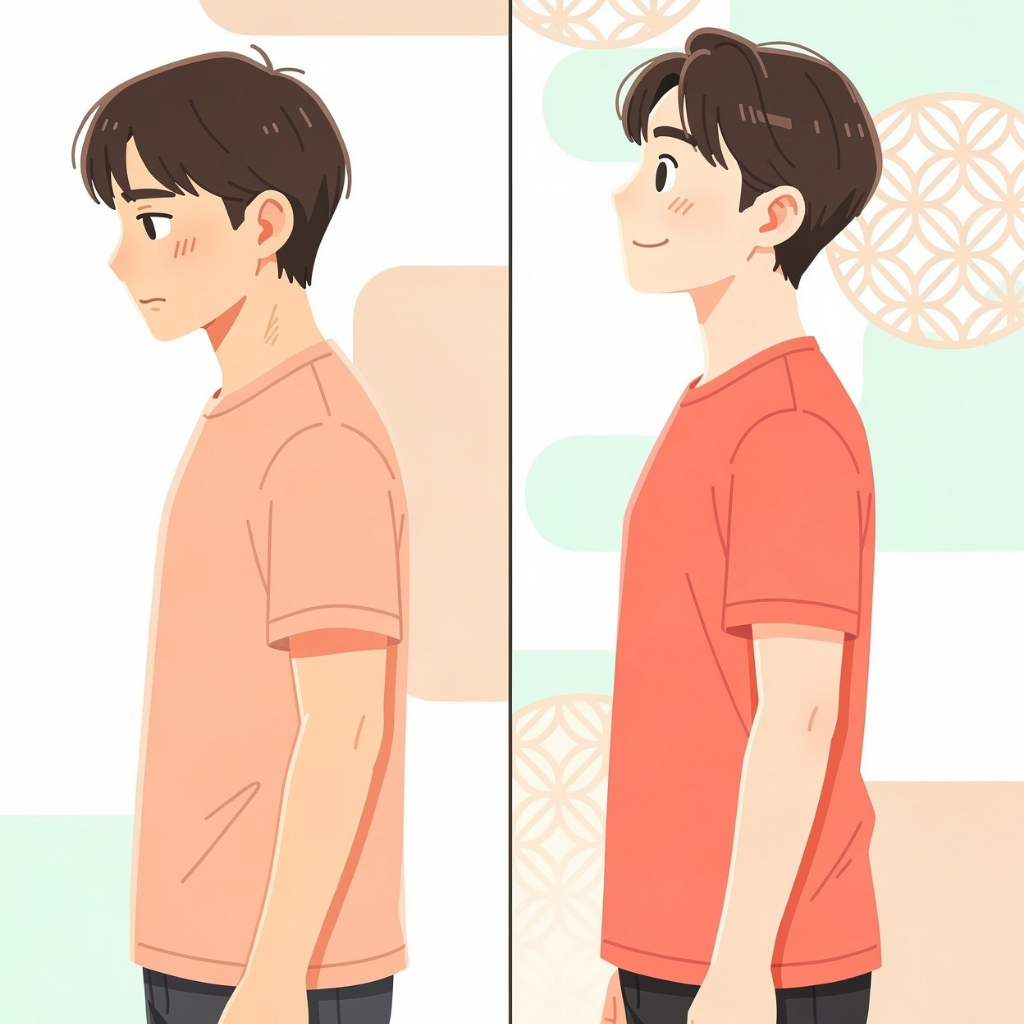
ひまわり接骨院が提供する腰部脊椎疾患と姿勢の関係性に焦点を当てた専門的な解説記事です。
最新の研究データに基づき、腰椎前弯や骨盤の傾斜といった姿勢の指標が、坐骨神経痛や椎間板ヘルニアなどの病態にどう影響するかを詳述しています。
治療法については、姿勢矯正や体幹安定化運動などの保存的療法から、手術によるアライメント回復の効果まで幅広く網羅されています。
静止静止時だけでなく動的な動作中の姿勢制御の重要性も強調されており、多角的なアプローチの有効性が示されています。
最終的に、個々の患者の身体特性に合わせた個別化された治療戦略の必要性を説く、臨床的価値の高い内容となっています。
症例の約85%が非特異的腰痛です。12週間以上持続する疼痛と定義される慢性腰痛は神経筋制御の異常、姿勢安定性の欠如、不適応な運動パターンと関連しています。
腰仙部神経根の圧迫または刺激により生じ、最も一般的な原因は椎間板ヘルニア、脊柱管狭窄症、または脊椎すべり症である。症状には、放散性下肢痛、感覚障害、運動機能低下があり、軽度の不快感から機能障害を伴う重症度まで幅がある。
髄核物質が正常な椎間板空間を超えて変位し、神経構造を圧迫する可能性があります。姿勢因子が病態形成と症状増悪に重要な役割を果たします。
脊柱管の狭窄により神経性跛行や体位性疼痛パターンを引き起こします。患者は症状緩和のため前屈姿勢をとります。
椎体の前方変位を伴い、矢状面における脊椎骨盤アライメントが病態力学と治療成績の両方に重要な役割を果たします。
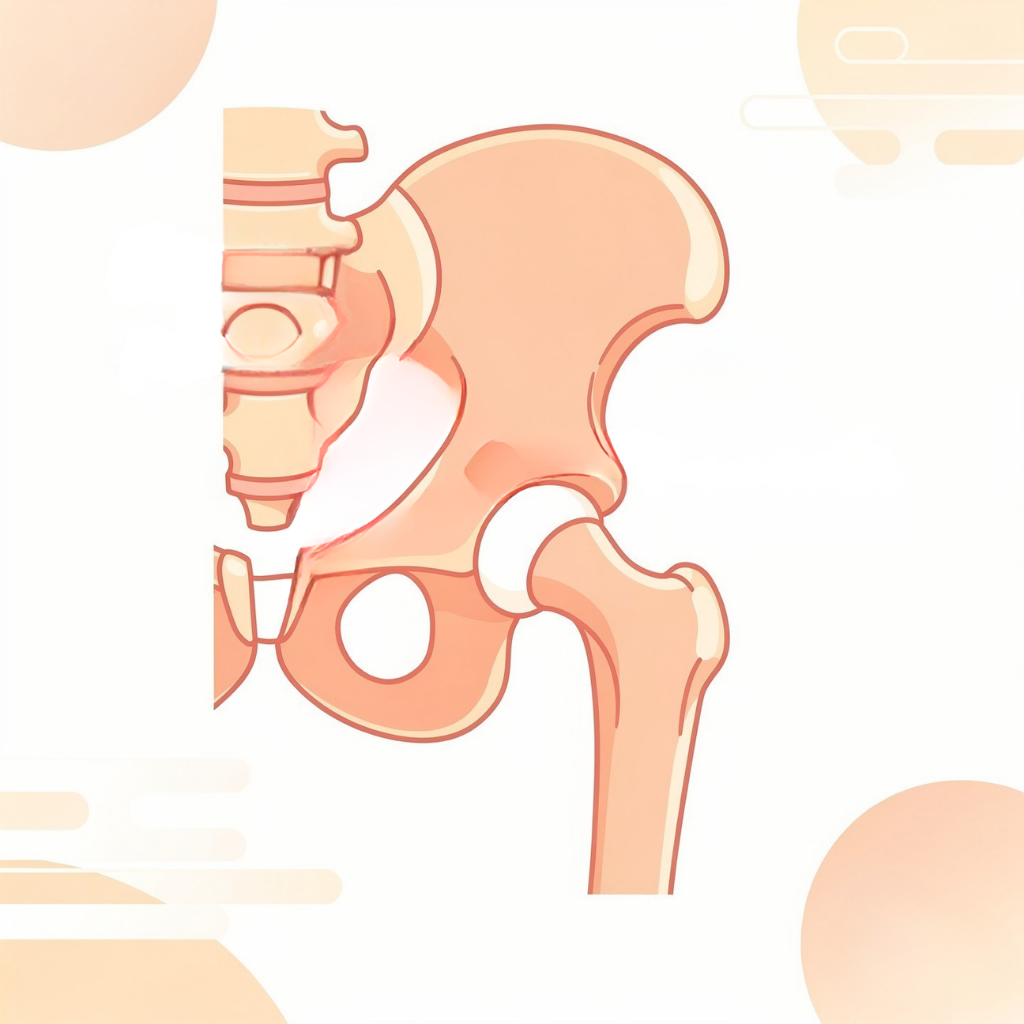
腰椎前弯
腰椎の前方凸性を指し、通常L1上終板とS1上終板間のコブ角として測定されます。正常値は約40°~60°の範囲です。
骨盤傾斜
垂直基準線と仙骨の中心点から大腿骨頭の中心点を結ぶ線との間の角度を表します。矢状面不均衡に対する代償機構として機能します。腰部狭窄症や変性疾患患者では骨盤後傾の増加が一般的に観察されます。
仙骨傾斜角
水平面と仙骨終板の間の角度です。腰椎前弯角と強い相関を示し、腰仙関節を介した荷重伝達に影響を与えます。
矢状面バランス
骨盤および下肢に対する脊柱全体の整列状態を評価します。正の矢状面不均衡は代償機構を必要とし、エネルギー消費と組織ストレスを増加させます。
運動療法は複数の腰部疾患において有効性が実証されています。
体幹集中型運動(安定化訓練、筋力強化、運動制御訓練を含む)は、腰痛患者において疼痛、障害、生活の質、体幹身体能力に有意な効果を示します。
複合的・統合的アプローチは単一療法と比較して効果の増強が示されています。頸部姿勢矯正と腰部安定化運動を統合したアプローチが、腰部運動単独と比較して優れた結果をもたらします。
伸展牽引および前弯回復術は、10~12週間、30~36回の治療で腰椎前弯を7~11°増加させ、6ヶ月後も脊柱前弯矯正、疼痛緩和、障害改善の効果が持続します。
腹横筋、多裂筋、骨盤底筋などの深層安定化筋群を標的とし、背骨の制御の向上と異常運動の抑制を図ります。慢性腰痛および脊椎すべり症患者において疼痛、障害、静的姿勢安定性を有意に改善します。
そのメカニズムとして神経筋制御の改善、固有受容感覚の強化、荷重分散の最適化などが言われています。
全身姿勢再教育(GPR)や姿勢回復法(PR)・エゴスキュー法など多様なアプローチなどのプログラムが、疼痛、障害、生活の質、股関節内転可動域、姿勢アライメントを改善します。
最適な評価と治療には、静的アライメントパラメータと動的制御指標の両方の統合が必要です。慢性腰痛患者では予期的・代償的姿勢調整が変化しており、感覚運動訓練により改善可能です。
静止した立位または座位における身体セグメントのアライメントと位置を指します。X線画像により腰椎前弯角、骨盤傾斜角、矢状面垂直軸などを測定します。
- 客観的な定量化が可能
- 基準値との比較
- 経時変化の追跡
- 臨床転帰と有意な相関
運動中および外乱への応答において安定性とアライメントを維持する神経筋制御メカニズムを包含します。
- 予期的姿勢調整(APA)
- 代償性姿勢調整(CPA)
- 感覚運動訓練による改善
- 日常活動の動的要求に対応
姿勢評価の標準化
慢性症状・治療不応例・手術検討例における臨床的姿勢評価と選択的画像検査はエビデンスによって支持されます。
標的を絞った介入
姿勢異常が確認された患者には、伸展牽引を含む標的を絞った姿勢矯正介入を検討すべきです。
中核的治療要素
腰部安定化運動は複数の腰部疾患において有効性が実証されており、保存的治療プログラムの中核とすべきです。
多角的アプローチ
姿勢矯正を安定化運動、手技療法、活動修正と統合することで、単一モダリティ介入と比較して優れた成果が得られます。
手術計画時の考慮
外科的介入では、矢状面における脊椎骨盤アライメントの回復が主要な手術目標となるべきです。
個別化された治療
ベースライン姿勢パラメータ、可動域、特定の病理診断、患者の希望に基づく個別化された治療選択が重要です。
姿勢評価と矯正を腰部疾患の包括的管理戦略に統合することは、高レベルのエビデンスによって支持され、現代の脊椎医療における標準的実践とすべきです。
腰部脊椎疾患における姿勢パラメータの臨床的意義と、姿勢を考慮した治療アプローチの有効性は、強力なエビデンスによって裏付けられています。
- 伸展牽引および前弯回復法は腰椎前弯を7-11°増加させ、効果は6ヶ月以上持続
- 安定化運動は疼痛・障害・姿勢安定性を改善
- 外科的介入では矢状面アライメントの回復が転帰の決定的要因
- 静的・動的姿勢の両方が腰椎の健康に重要
姿勢評価の標準化、個別化されたアライメント目標値の定義、比較有効性研究、長期アウトカム研究、機序解明研究が必要です。
[1] Oakley, P. A., Ehsani, N. N., & Harrison, D. E. (2020). Restoring lumbar lordosis: a systematic review of controlled trials utilizing Chiropractic Bio Physics® (CBP®) non-surgical approach to increasing lumbar lordosis in the treatment of low back disorders. Journal of Physical Therapy Science, 32(9), 601-610. https://doi.org/10.1589/JPTS.32.601
[2] Hejazi, S., Shaterzadeh-Yazdi, M. J., Emrani, A., Mehravar, M., & Kalbasi, S. (2025). The effects of combining sensorimotor training with transcranial direct current stimulation on the anticipatory and compensatory postural adjustments in patients with chronic low back pain. Disability and Rehabilitation, 47(2), 234-242. https://doi.org/10.1080/09638288.2024.2375756
[3] Huang, Y. C., Chen, P. Y., Lin, Y. C., & Tsai, Y. J. (2024). Effectiveness of gluteal control training in chronic low back pain patients with functional leg length inequality. Scientific Reports, 14(1), 22847. https://doi.org/10.1038/s41598-024-74348-x
[4] Bourghli, A., Aunoble, S., Reebye, O., & Le Huec, J. C. (2011). Correlation of clinical outcome and spinopelvic sagittal alignment after surgical treatment of low-grade isthmic spondylolisthesis. European Spine Journal, 20(Suppl 5), 663-668. https://doi.org/10.1007/S00586-011-1934-Z
[5] Elmorsy, M., Salah, H., & Attia, W. (2022). Functional outcome of surgical management of low mid-grade lumbar spondylolisthesis when considering the sagittal balance parameters preoperatively: a prospective study. Chinese Neurosurgical Journal, 8(1), 32. https://doi.org/10.1186/s41016-022-00303-2
[6] Liyis, N., Setiawan, R., Rambe, A. S., & Bajamal, A. H. (2025). Risk factors for screw loosening following lumbar interbody fusion surgery in degenerative lumbar disease: a systematic review and meta-analysis. Asian Spine Journal, 19(1), 142-153. https://doi.org/10.31616/asj.2025.0142
[7] Dey, S. Effectiveness of abdominal hollowing and piriformis stretching exercise on spondylolisthesis patients: A Randomized Control Trial.
[8] Channak, S., Pensri, P., & Jiamjarasrangsi, W. (2024). Effectiveness of a dynamic seat cushion on recovery and recurrence of neck and low back pain in office workers: a secondary analysis of a randomized controlled trial. BMC Musculoskeletal Disorders, 25(1), 947. https://doi.org/10.1186/s12891-024-07947-4
[9] Elabd, O. M., Alrawaili, S. M., Amer, A. M., & Ibrahim, A. R. (2021). Efficacy of Integrating Cervical Posture Correction With Lumbar Stabilization Exercises for Mechanical Low Back Pain: A Randomized Blinded Clinical Trial. Journal of Applied Biomechanics, 37(4), 346-357. https://doi.org/10.1123/JAB.2020-0005
[10] Sequeira, S., Fernandes, S., & Cruz, E. B. (2023). Exploring effects of Egoscue versus lumbar stabilisation exercises for lower crossed syndrome on postural stability and hyperlordotic posture correction. Comparative Exercise Physiology, 19(4), 321-330. https://doi.org/10.3920/cep220032
[11] Dimitrijević, L., Živković, M., Milanović, Z., Aleksandrović, M., Madić, D., Okičić, T., & Radovanović, D. (2022). Effects of Corrective Exercises on Lumbar Lordotic Angle Correction: A Systematic Review and Meta-Analysis. International Journal of Environmental Research and Public Health, 19(8), 4906. https://doi.org/10.3390/ijerph19084906
[12] Choopani, Z., Rajabi, R., Minoonejad, H., & Kahrizi, S. The Effect of Segmental Stabilization Exercises on Pain, Disability and Static Postural Stability in Patients with Spondylolisthesis: A Double Blinded Pilot Randomized Controlled Trial.
[13] Ghasemi, M., Mosallanezhad, Z., Nodehi-Moghadam, A., Nourbakhsh, M. R., Biglarian, A., & Ezati, K. (2020). Comparative study of muscle energy technique, craniosacral therapy, and sensorimotor training effects on postural control in patients with nonspecific chronic low back pain. Journal of Family Medicine and Primary Care, 9(8), 4346-4351. https://doi.org/10.4103/JFMPC.JFMPC_849_19
[14] Lomond, K. V., Henry, S. M., Jacobs, J. V., Hitt, J. R., Horak, F. B., Pinto, R. Z., & DeSouza, L. H. (2014). Altered postural responses persist following physical therapy of general versus specific trunk exercises in people with low back pain. Manual Therapy, 19(5), 425-432. https://doi.org/10.1016/J.MATH.2014.04.007
[15] Kandil, R. M., Eid, M. M., & Nazeih, M. M. (2024). Effect of global postural reeducation on chronic low pain patients with lower cross syndrome. Bulletin of Faculty of Physical Therapy, 29(1), 3. https://doi.org/10.1186/s43161-023-00171-6
[16] Roh, H. S., Cho, W. J., Ryu, W. J., & Park, J. W. (2016). The change of pain and lumbosacral sagittal alignment after sling exercise therapy for patients with chronic low back pain. Journal of Physical Therapy Science, 28(10), 2789-2792. https://doi.org/10.1589/JPTS.28.2789
[17] Lin, C. W., Verwoerd, A. J., Maher, C. G., Verhagen, A. P., Pinto, R. Z., Luijsterburg, P. A., & Hancock, M. J. Exercise interventions in managing disability and pain intensity among patients with lumbar spondylolysis and spondylolisthesis: a systematic review and meta-analysis of randomized controlled trials.
[18] Tan, L., Zhao, J., Liu, H., & Chen, A. (2023). Effect of spinal-pelvic sagittal balance on the clinical outcomes after lumbar fusion surgery. BMC Surgery, 23(1), 340. https://doi.org/10.1186/s12893-023-02240-y
[19] João, P., Barros, F., Neves, N., & Sousa, J. C. (2013). IMPACT OF SPINO-PELVIC BALANCE ON CLINICAL AND FUNCTIONAL RESULTS AFTER INSTRUMENTED FUSION IN PATIENTS WITH DEGENERATIVE SPONDYLOLISTHESIS.
[20] Pourtaheri, S., Issa, K., Lord, E., Ajiboye, R., Drysch, A., Hwang, K., Faloon, M., Sinha, K., Emami, A., & Haque, M. (2017). Pelvic retroversion: a compensatory mechanism for lumbar stenosis. Journal of Neurosurgery: Spine, 27(2), 137-144. https://doi.org/10.3171/2017.2.SPINE16963
[21] Maciejczak, A., Wolan-Nieroda, A., & Walczak, A. (2014). Changes in spino-pelvic alignment after surgical treatment of isthmic spondylolisthesis. Neurologia i Neurochirurgia Polska, 48(4), 246-251. https://doi.org/10.1016/J.PJNNS.2013.05.001
[22] Park, J. H., Jeon, S. R., & Roh, S. W. (2019). Reduction and monosegmental fusion for lumbar spondylolisthesis with a long tab percutaneous pedicle screw system: "swing" technique. Neurosurgical Focus, 46(5), E9. https://doi.org/10.3171/2019.2.FOCUS18724
[23] Fayez, E. S., Draz, A. H., & Elkholy, H. H. (2020). Effect of L4 Mobilization and Posterior Pelvic Tilting Exercise on Sciatica in Patients with Spondylolisthesis. Majmaah Journal of Health Sciences, 8(3), 125-148. https://doi.org/10.21608/MJCU.2020.125148
[24] Labecka, M. K., Plandowska, M., Truszczyńska-Baszak, A., Rajabi, R., & Różańska, D. (2024). Effects of the active break intervention on nonspecific low back pain among young people: a randomized controlled trial. BMC Musculoskeletal Disorders, 25(1), 186. https://doi.org/10.1186/s12891-024-08186-3
[25] Prat-Luri, A., Morales-Osorio, M. A., Suso-Martí, L., Varangot-Reille, C., Herranz-Gómez, A., & Cuenca-Martínez, F. (2023). Effect of trunk-focused exercises on pain, disability, quality of life and trunk physical fitness in low back pain and how potential effect modifiers modulate their effects: a systematic review with meta-analyses. Journal of Orthopaedic & Sports Physical Therapy, 53(11), 691-706. https://doi.org/10.2519/jospt.2023.11091
[26] Rao, R. R., Patel, S., Patel, P., & Patel, V. (2023). A systematic review and meta-analysis with radiological correlation on the efficacy of spine stabilizing exercises in chronic low backache. International Journal of Orthopaedics Sciences, 9(4), 466-472. https://doi.org/10.22271/ortho.2023.v9.i4a.3466
[27] Doğan, M., Yaman, M. E., Dağlı, A. T., & Gürbüz, M. S. (2024). Possible effects of lumbar stabilization surgery on sagittal alignment, disability and quality of life. Egyptian Journal of Neurosurgery, 39(1), 16. https://doi.org/10.1186/s41984-024-00316-2
[28] Liow, M. H., Goh, G. S., Chua, J. L., Yeo, W., Guo, C. M., Yue, W. M., Tan, S. B., & Chen, J. L. (2020). Sagittally Balanced Degenerative Spondylolisthesis Patients With Increased Sacral Slope and Greater Lumbar Lordosis Experience Less Back Pain After Short-Segment Lumbar Fusion Surgery. Clinical Spine Surgery, 33(5), E223-E228. https://doi.org/10.1097/BSD.0000000000000923
[29] Fouladi, R., Rajabi, R., Naseri, N., & Pourkazemi, F. (2024). Comparing the Effects of the Postural Restoration Exercises with and without Core Stability Exercises in Patients with Non-Specific Chronic Low Back Pain. Journal of Modern Rehabilitation, 18(1), 13-24. https://doi.org/10.18502/jmr.v18i1.14728
[30] He, S., Zhang, Y., Lv, N., Wang, S., Wang, Y. X., Wu, S., & Zhu, Y. (2020). Analysis of spinopelvic sagittal balance and persistent low back pain (PLBP) for degenerative spondylolisthesis (DS) following posterior lumbar interbody fusion (PLIF). Pain Research & Management, 2020, 5971937. https://doi.org/10.1155/2020/5971937
ごあいさつ
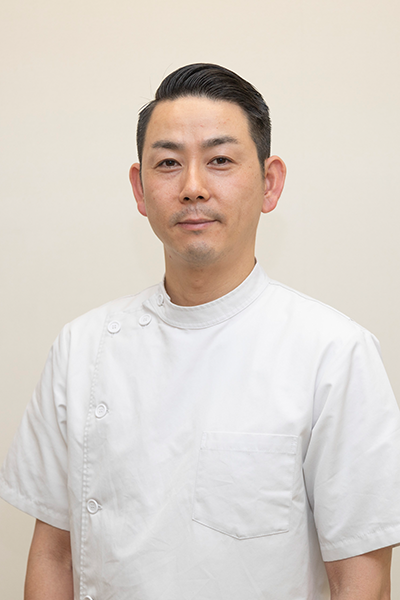
長引いた痛みを一人で治すのは困難なことが多いです。
困ったときは自身で判断せずに適切な処置を受けるために専門家に相談しましょう。
もし、お近くにお住まいで、困っているならば、一度ひまわり接骨院までお問い合わせください。腰痛・坐骨神経痛の専門家の新幡が、ご相談に乗ります。
気軽にご相談ください。

新着情報・お知らせ
平常通り営業致します。
日・祝休みです。
2026年9月のお休み
平常通り営業致します。
21日(月)~23(水)は祝日の為、
お休みになります。
日・祝休み
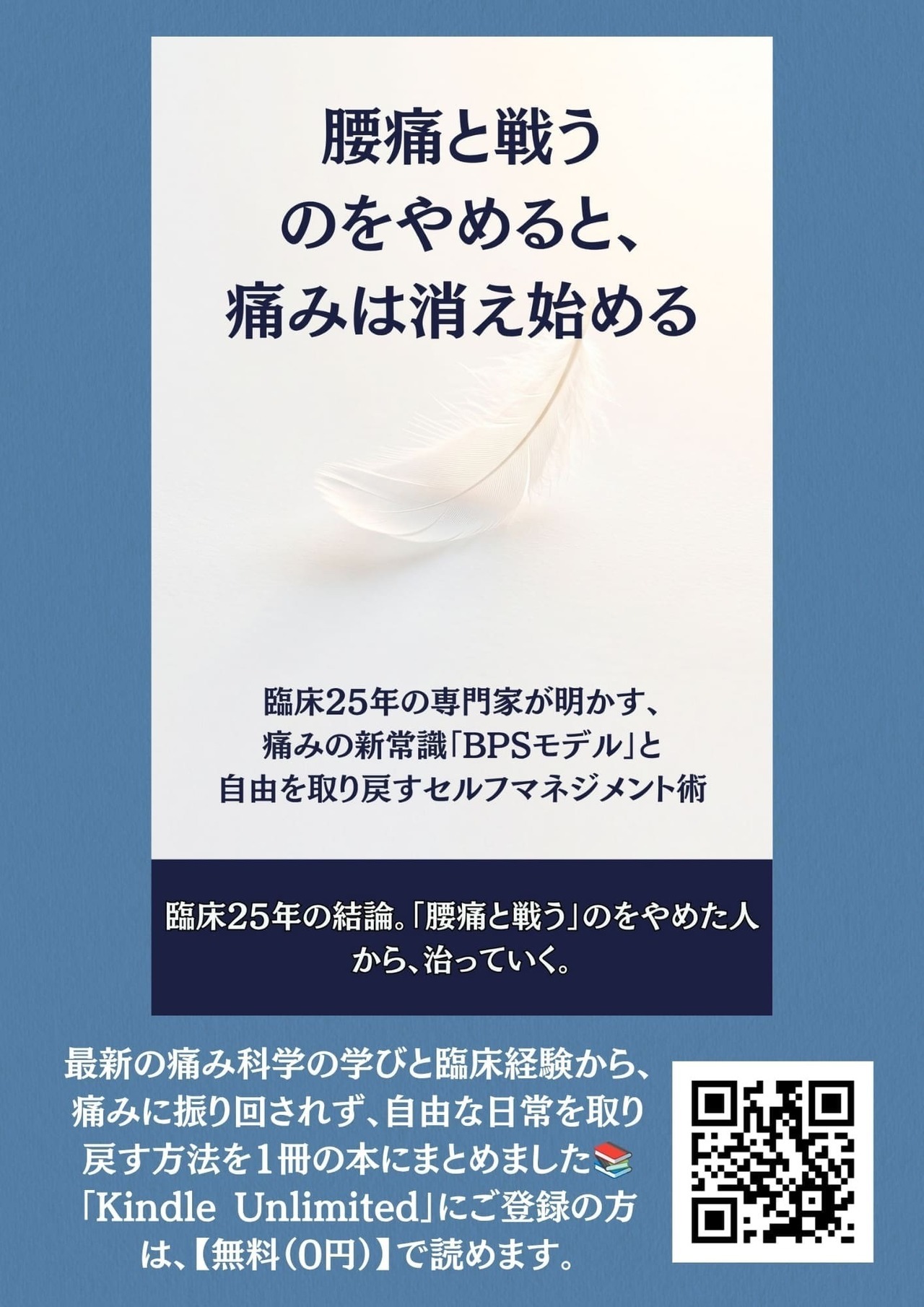
タイトル「腰痛は戦うのをやめると、痛みは消え始める」
Amazonの「Kindle Unlimited」にご登録の方は、【無料(0円)】で今すぐお読みいただけます!
↓↓
こちらから
タイトル「不安から逃げるのをやめると、腰痛は消え始める」」
Amazonの「Kindle Unlimited」にご登録の方は、【無料(0円)】で今すぐお読みいただけます!
↓↓
こちらから

お気軽にお問合せください

お電話でのお問合せ・相談予約
<受付時間>
月~土
9:00〜13:00 /15:00〜19:00
※日曜・祝日は除く
フォームは24時間受付中です。お気軽にご連絡ください。
ひまわり接骨院
住所
〒213-0002
神奈川県川崎市高津区二子1丁目7−17 リバーサイドマンション杉崎 102
アクセス
二子新地駅 徒歩3分
駐車場:近隣にコインパーキングあり。自転車・バイクは店舗前に駐輪場がございます。
受付時間
月~土
9:00〜13:00 /15:00〜19:00
定休日
日曜・祝日