〒213-0002 神奈川県川崎市高津区二子1丁目7−17
リバーサイドマンション杉崎 102 二子新地駅 徒歩3分
| 月 | 火 | 水 | 木 | 金 | 土 | 日祝 | |
|---|---|---|---|---|---|---|---|
| 9:00〜13:00 | ● | ● | ● | ● | ● | ● | ─ |
| 15:00〜19:00 | ● | ● | ● | ● | ● | ● | ─ |
ブロック注射が効かないメカニズム:坐骨神経痛
公開日:2026/02/27
更新日:2026/00/00
坐骨神経痛の治療で行われる神経ブロック注射の効果と失敗の原因を包括的に分析したレビュー記事です。
治療がうまくいかない要因として、脊柱管狭窄や癒着といった解剖学的障壁、針の位置や薬液の拡散不足などの技術的課題、そして症状の慢性化が挙げられています。
特に発症から3ヶ月以内の急性期は抗炎症薬の効果が得られやすく、高い成功率が期待できると述べられています。
一方で、慢性患者や手術後の癒着があるケースでは、成功率が低下するため特別な手法や慎重な患者選定が必要です。
最終的に、正確な画像誘導技術と適切な投与量を組み合わせることで、治療成績を最適化するためのガイドラインを提示しています。
目次
坐骨神経ブロック(神経根ブロックや硬膜外ステロイド注射などを含む)が十分に効かない原因は、単一の理由ではなく、解剖学的、技術的、病態生理学的、および薬理学的な要因が複雑に相互作用しているためです,,。
主な原因は、大きく以下の4つのカテゴリーに分けられます。
- 椎間孔狭窄 (Foraminal Stenosis): 神経の出口である椎間孔がひどく狭くなっていると、注入した薬剤が炎症部位や神経根の奥まで届くのを物理的に遮断してしまいます,。
- 硬膜外癒着と線維化 (Epidural Adhesions): 特に過去に腰椎手術を受けた患者(腰椎手術後症候群:FBSS)では、瘢痕組織(癒着)が硬膜外腔を区切ってしまい、薬剤が炎症を起こしている神経根に接触するのを防ぐ障壁となります,。
- 解剖学的バリエーション: 神経の走行や血管の配置、硬膜外腔の構造(隔壁や脂肪分布)には個人差があり、これが薬剤の予期せぬ広がりを招くことがあります。
- 針の配置ミス (Targeting Errors): 針の位置が最適でないと、薬剤が標的以外の組織に送られてしまい、治療効果が低下します。
- 薬剤の浸潤と広がりの不足: 注入する液体の量(ボリューム)が不十分であったり、注入速度が速すぎて薬剤が抵抗の少ない場所へ流れてしまったりすると、狭窄部位にある炎症組織まで薬剤が浸透しません,。
- 薬剤の流出 (Overflow): 標的とするレベルから隣接する部位や無症状のレベルに薬剤が流れ出してしまうことで、必要な部位の薬剤濃度が薄まってしまいます,。
- 血管内や神経鞘内への誤注入: 意図せず血管内や神経の鞘(intraepineural)の中に薬剤を注入してしまうと、局所の濃度が上がらず、効果が得られない原因となります,。
- 症状の慢性化 (Chronicity): 急性期の坐骨神経痛は炎症が主体であるためブロックが効きやすいですが、慢性化(3〜6ヶ月以上)すると効果が低下します,,。これは、痛みの性質が炎症性から、神経の変性や脳・脊髄での「中枢感作(痛みへの過敏状態)」を伴う神経障害性疼痛へと変化し、抗炎症薬であるステロイドが効きにくくなるためです,。
- 機械的圧迫の強さ: 腰椎すべり症や重度の脊柱管狭窄、ディスクの完全な虚脱などの構造的な問題がある場合、炎症を抑えるだけでは機械的な圧迫を解消できず、効果が限定的になります。
薬剤の選択と濃度: ステロイドの種類(粒子状か非粒子状か)や、局所麻酔薬の濃度が適切でない場合、診断の正確性が損なわれたり、効果の持続時間が短くなったりすることがあります,。ただし、適切な手技が行われていれば、ステロイドの種類自体による差は比較的小さいという報告もあります,。
ブロック注射の成否を分ける最も重要な要素は**「適切な患者の選定」です,。特に「発症からの期間(急性か慢性か)」、「MRIでの神経圧迫の程度」、「構造的な変形の有無」**が、効果を予測する上で極めて重要であるとされています,。
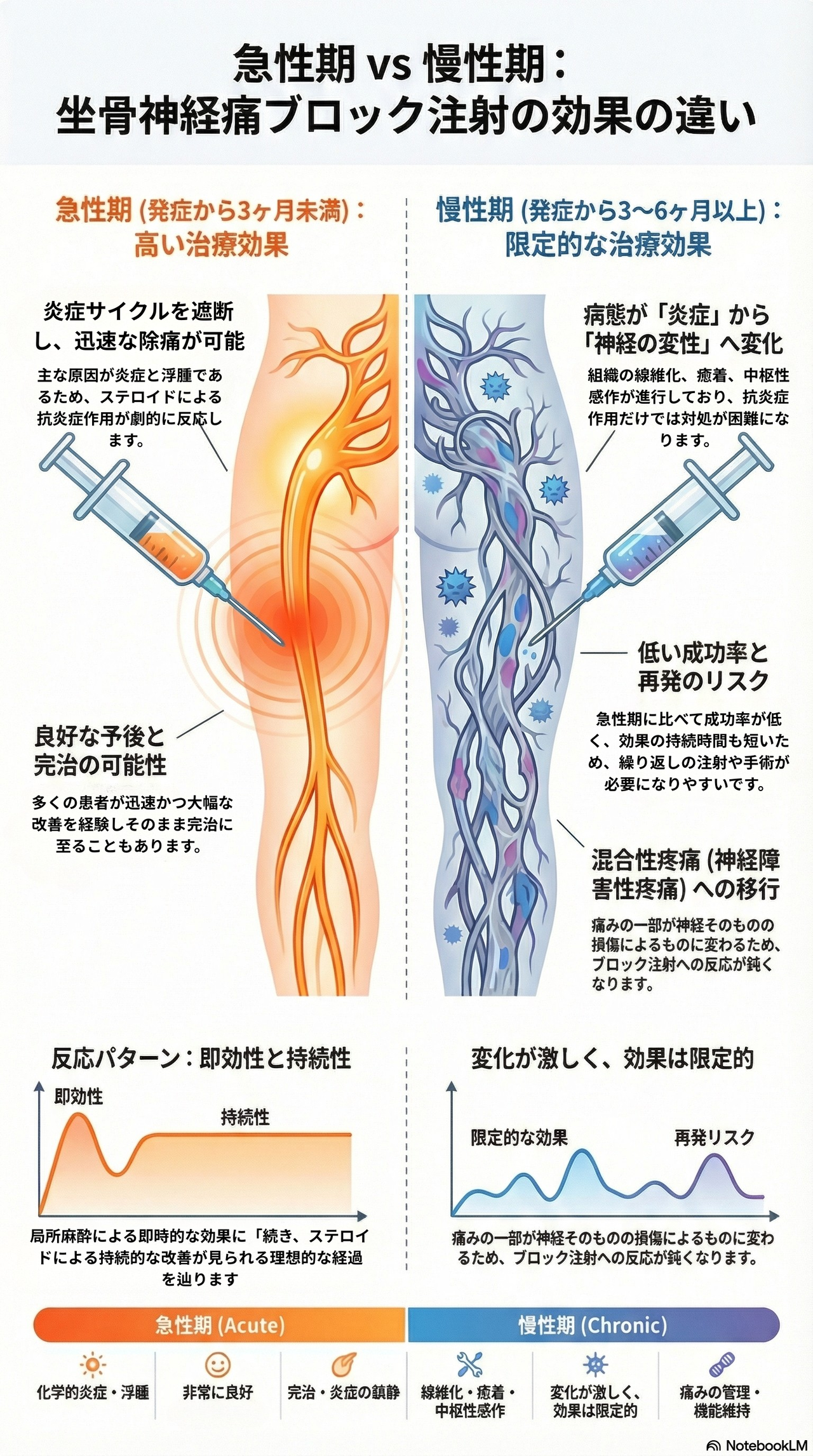
坐骨神経痛に対する神経ブロックの治療効果は、発症からの期間(急性期か慢性期か)によって大きく異なります。出典によれば、急性期のほうが慢性期よりも高い治療成功率が得られることが一貫して示されています。
主な違いは以下の通りです。
- 急性期(発症から3ヶ月未満): 炎症が主導的な病態であるため、ステロイドによる抗炎症治療に非常によく反応します。多くの患者が、注入後に迅速かつ大幅な痛みの中和を経験し、中には完全に症状が消失するケースもあります。
- 慢性期(発症から3〜6ヶ月以上): 治療成績は不安定で、急性期に比べて芳しくない傾向があります。痛みの緩和が得られたとしても、その程度が不十分であったり、効果の持続期間が短かったりすることが一般的です。
効果に差が出る最大の理由は、時間が経つにつれて痛みの性質が変化するためです。
- 急性期: 主な原因は化学的な炎症や浮腫です。これはステロイドの標的となるプロセスです。
- 慢性期: 単なる炎症から、「神経障害性疼痛」や「中枢感作」(脳や脊髄が痛みに敏感になる状態)へと移行します。さらに、組織の線維化、癒着、神経の変性といった構造的な変化も進むため、末梢への注射(ブロック)だけでは効果が得にくくなります。
- 急性期: 局所麻酔薬による即時的な効果に続き、ステロイドによる持続的な改善が見られる**「二相性」の良好な反応**を示すことが多いです。
- 慢性期: 反応が遅れて現れたり、一時的に改善してもすぐにプラトー(停滞)に達したり、あるいは全く効果が見られなかったりと、予測が困難になります。
- 急性期の患者はブロック注射で良好な経過をたどりやすいですが、慢性期の患者は繰り返しの注射が必要になる頻度が高く、最終的に手術に至る割合も高いことが報告されています。
- 慢性期の場合、神経ブロック単独ではなく、理学療法、神経障害性疼痛の治療薬、心理的介入などを組み合わせた多角的なアプローチが必要になります。
「炎症が主体で構造的変化が少ない早期(急性期)に介入すること」**が、治療の最適タイミング(Therapeutic window)を逃さないために重要であると強調しています。
慢性期(一般的に発症から3〜6ヶ月以上)になるとブロック注射の効果が低下する理由は、単に時間が経過したからではなく、痛みの発生メカニズムや組織の状態が根本的に変化してしまうためです。
主な理由は以下の通りです。
- 炎症から神経障害へ: 急性期の痛みは主に**化学的な炎症や浮腫(はれ)が原因であり、ステロイドの抗炎症作用が非常によく効きます,。しかし、慢性期になると組織のリモデリング(再構築)や神経の変性が進み、痛みは炎症性から「神経障害性疼痛」**の要素が強い混合性へと変化します。
- 神経可塑性と中枢感作: 長期間の痛み刺激によって、神経系そのものが変化(神経可塑性)し、脳や脊髄で痛みの信号が増幅される**「中枢感作」**が起こります,。これらは末梢への注射(ブロック)だけでは抑えきれない現象です。
- 線維化と癒着: 時間の経過とともに、神経の周囲に**線維化や硬膜外癒着(瘢痕組織)**が形成されます。これらの組織は物理的な障壁となり、注入した薬剤が炎症を起こしている標的神経に届くのを妨げてしまいます,,。
- 機械的要因の固定化: 構造的な変形(重度の狭窄やディスクの虚脱など)が固定化すると、抗炎症薬だけで痛みを取り除くことが難しくなります。
急性期の患者はステロイドに対して迅速かつ持続的な反応(二相性反応)を示しやすいですが、慢性期の患者は反応が遅れたり、一時的に改善してもすぐに効果が停滞(プラトー)または消失したりする傾向があります。これは、痛みの主因がもはや炎症ではなくなっていることを示唆しています。
症状が長期化することで、身体的な問題だけでなく、障害の蓄積、抑うつ、不適応的な対処戦略といった心理社会的な要因が重なり、治療への反応を複雑にさせることがあります。
ブロック注射には**「治療の適期(Therapeutic window)」があり、炎症が主導的で構造的な変化が少ない早期に介入すること**が、良好な結果を得るために極めて重要であると強調されています,。慢性期の場合は、ブロック注射単独ではなく、薬物療法や理学療法などを組み合わせた多角的なアプローチが必要になることが多いです。
神経ブロック(特に坐骨神経痛に対するもの)の成功率を向上させるための最新の対策は、単なる技術的な改善にとどまらず、患者選定の最適化、技術的精度の向上、および病態に合わせた戦略的アプローチの組み合わせに集約されます。
出典に基づく主な対策は以下の通りです。
適切な患者を選ぶことが成功率を左右する最大の要因です。
- 介入のタイミング: **発症から3〜6ヶ月以内(急性期・亜急性期)**に介入することが推奨されます。炎症が主体の時期(Therapeutic window)を逃さないことが重要です。
- 症状のプロファイル: 軸性腰痛(腰自体の痛み)よりも、根性痛(足への放散痛)が主体の患者のほうが成功率が高くなります。
- 画像診断の活用: MRIで**中等度から重度の神経根圧迫(Grade II-III)が確認される場合や、造影MRIで神経根の増強(炎症のサイン)**が見られる場合は、ステロイドへの反応が良いと予測されます。
精密な手技により、薬剤を確実に標的へ届けるための対策です。
- 多方向からの透視確認: 前後像(AP)だけでなく、側像(Lateral)や斜位像(Oblique)を用いた多平面的な画像確認により、針先を「安全な三角地帯(Safe triangle)」に正確に配置します。
- リアルタイム造影監視: 少量の造影剤(0.5〜1mL)を注入しながら、リアルタイムで拡散パターンを監視します。これにより、血管内への誤注入や、目的外の部位への流出(オーバーフロー)を即座に検知できます。
- 注入パラメータの調整:
○少量注入: 診断精度を高め、希釈を防ぐため、必要最小限の量(SNRBで1〜3mL、TFESIで3〜5mL)を使用します。
◯低速注入: 10〜15秒かけて0.5〜1mLを注入するような低速で行うことで、組織への浸透を促し、狭窄部位での急激な圧力上昇による痛みを防ぎます。
- 薬剤の安全性: 経椎間孔ブロック(TFESI)では、血管塞栓のリスクを最小限に抑えるため、**非粒子状ステロイド(デキサメタゾンなど)**の使用が推奨されます。
- 難治例への対応:
◯椎間孔狭窄例: 注入量を減らし、より低速で注入するか、CTガイド下での手技を検討します。
◯手術後症候群 (FBSS): 癒着がある場合、ヒアルロニダーゼの添加や、癒着剥離術(adhesiolysis)を検討し、薬剤の到達性を改善させます。
◯慢性期: ブロック単独ではなく、理学療法や薬物療法を組み合わせた多角的(マルチモーダル)なアプローチに切り替えます。
- 標準化されたプロトコル: 事前評価、画像技術、注入パラメータ、事後モニタリングを標準化します。
- アウトカムの追跡: VAS(痛みの尺度)やODI(機能障害の尺度)などの指標を用いて、治療効果を客観的に評価し、追加注入の必要性を判断します。
最新の知見は「技術的な熟練」に加えて、「炎症が主体の早期に、適切な画像所見を持つ患者を見極めて介入すること」が、最も効果的に成功率を上げる道であると示しています。
ブロック注射(神経ブロック)の有効率は、手技の種類や患者さんの状態、痛みの原因となっている疾患によって異なりますが、出典によれば概ね以下のような数値が報告されています。
- 経椎間孔硬膜外ステロイド注射 (TFESI): 有効率は**40%から80%**の範囲とされており、これは患者の選択、アウトカムの評価指標、および追跡期間によって変動します。短期間(最大3ヶ月)の痛み緩和については中程度の質のエビデンスが支持していますが、長期的なベネフィットについては一貫性が低いとされています。
- 選択的神経根ブロック (SNRB): 治療としての有効率は**44%から70%**と報告されています。なお、診断目的での精度については、70%の痛み緩和を基準とした場合、全体的な正確度は73%(感度57%、特異度86%)とされています。
原因となる病態によって、治療の成功率は大きく変わります。
- 椎間板ヘルニア: 非常に反応が良く、ある一連の研究では**70%**の患者で優れた結果が得られたと報告されています。
- 腰椎手術後症候群 (FBSS): 手術後の癒着などが原因の場合、有効率は**28%**まで低下するという報告があります。
- 脊柱管狭窄症・すべり症: 構造的な問題(機械的圧迫)が強い場合、椎間板ヘルニアと比較して効果は劣る傾向にあります。
- 急性期(発症から3ヶ月未満): 炎症が主体の時期であるためステロイドによく反応し、迅速で大幅な痛みの緩和が得られやすく、完全に消失することもあります。
- 慢性期(発症から3〜6ヶ月以上):反応率は低くなり、効果の持続期間も短くなる傾向があります。慢性期の患者は、繰り返し注射が必要になったり、最終的に手術に至ったりする割合も高くなります。
ブロック注射の成功率を左右する最も重要な要因は**「適切な患者選定」です。特に、症状が慢性化(6〜12ヶ月以上)する前や、構造的な変形が進行する前の「早期の介入」**が、高い成功率を得るための鍵となります。
[1] Yeom, J. S., Lee, J. W., Park, K. W., Chang, B. S., Lee, C. K., Buchowski, J. M., ... & Kang, H. S. (2008). Value of diagnostic lumbar selective nerve root block: a prospective controlled study. American Journal of Neuroradiology, 29(5), 1017-1023. https://doi.org/10.3174/AJNR.A0955
[2] McLoughlin, J., Barr, J., Conic, R., & Alhajeri, A. (2023). Persistent Radiculopathy Subsequent to Selective Nerve Root Block. Cureus, 15(10), e46468. https://doi.org/10.7759/cureus.46468
[3] Yang, S., Kim, W., & Kong, H. H. (2022). Selective Nerve Root Block in Treatment of Lumbar Radiculopathy: A Narrative Review. Surgeries, 3(3), 241-267. https://doi.org/10.3390/surgeries3030028
[4] Quraishi, N. A. (2012). Transforaminal injection of corticosteroids for lumbar radiculopathy: systematic review and meta-analysis. European Spine Journal, 21(2), 214-219. https://doi.org/10.1007/S00586-011-2008-Y
[5] Jha, R. K., Kumar, S., Yadav, S. K., & Singh, S. (2020). Composite Anatomical Variations between the Sciatic Nerve and the Piriformis Muscle: A Nepalese Cadaveric Study. Case Reports in Neurological Medicine, 2020, 7165818. https://doi.org/10.1155/2020/7165818
[6] Jung, G., Kim, B. S., Shin, K. M., Park, K. B., Jee, S., & Park, H. J. (2016). The Prognostic Value of Enhanced-MRI and Fluoroscopic Factors for Predicting the Effects of Transforaminal Steroid Injections on Lumbosacral Radiating Pain. Annals of Rehabilitation Medicine, 40(6), 1071-1078. https://doi.org/10.5535/ARM.2016.40.6.1071
[7] Bicket, M. C., & Cohen, S. P. (2018). Transforaminal Epidural Steroid Injections and Selective Nerve Root Blocks. In Essentials of Interventional Techniques in Managing Chronic Pain (pp. 563-580). https://doi.org/10.1016/B978-0-323-40196-8.00063-2
[8] Helm, S., Racz, G. B., Noe, C., Chopra, P., Deer, T. R., Aronoff, G., ... & Manchikanti, L. (2021). Transforaminal Epidural Steroid Injections: A Systematic Review and Meta-Analysis of Efficacy and Safety. Pain Physician, 24(S1), S209-S232. https://doi.org/10.36076/ppj.2021.24.s209-s232
[9] Helm, S., Racz, G. B., Noe, C., Chopra, P., Deer, T. R., Aronoff, G., ... & Manchikanti, L. (2021). Transforaminal Epidural Steroid Injections: A Systematic Review and Meta-Analysis of Efficacy and Safety. Pain Physician, 24, S209-S232. https://doi.org/10.36076/ppj.2021.24.s209-s232
[10] Fouda, M. A., Elkholy, S. H., Elsherbiny, M., & Elbadry, M. (2025). Ultrasound versus Fluoroscopy-Guided Selective Lumbar Nerve Root Injections: A Comparative Analysis of Efficacy, Safety, and Outcomes. Research Square. https://doi.org/10.21203/rs.3.rs-6330553/v1
[11] Song, K. S., Choi, B. W., & Kim, G. W. (2021). Fluoroscopy-Guided Transforaminal versus Caudal Epidural Steroid Injection for Chronic Pain After Spinal Surgery: A Retrospective Mid-Term Comparative Study. Journal of Pain Research, 14, 1861-1869. https://doi.org/10.2147/JPR.S314044
[12] Paidin, H., Arora, M., Tarpada, S. P., & Morris, M. T. (2011). Contrast Dispersal Patterns as a Predictor of Clinical Outcome With Transforaminal Epidural Steroid Injection for Lumbar Radiculopathy. PM&R, 3(11), 1022-1027. https://doi.org/10.1016/J.PMRJ.2011.07.020
[13] Furman, M. B., Giovanniello, M. T., & O'Brien, E. M. (2008). Incidence of intravascular penetration in transforaminal cervical epidural steroid injections. Spine, 28(1), 21-25.
[14] Furman, M. B., O'Brien, E. M., & Zgleszewski, T. M. (2008). Contrast flow selectivity during transforaminal lumbosacral epidural steroid injections. Pain Physician, 3(4), 269-276.
[15] Shrestha, P., Yadav, S. K., Khanal, G. P., & Devkota, U. P. (2020). Outcome of transforaminal epidural steroid injection for lumbar radiculopathy: initial three-year experience at Upendra Devkota Memorial-National Institute of Neurological and Allied Sciences, Nepal. Nepalese Journal of Radiology, 10(15), 26-32. https://doi.org/10.1186/S41016-020-0184-5
[16] Buenaventura, R. M., Datta, S., Abdi, S., & Smith, H. S. (2009). Systematic review of therapeutic lumbar transforaminal epidural steroid injections. Pain Physician, 12(1), 233-251. https://doi.org/10.36076/PPJ.2009/12/233
[17] Gray, A. T., Kumar, A., & Patel, S. (2023). The Kumar Technique: A Novel and Effective Approach to Transforaminal Epidural Steroid Injections. Cureus, 15(11), e47210. https://doi.org/10.7759/cureus.47210
[18] Guclu, D. G., Yildirim, K., Karatas, A. F., & Coskun, H. (2019). Transforaminal Epidural Steroid Injection in the Treatment of Pain in Foraminal and Paramedian Lumbar Disc Herniations. Turkish Neurosurgery, 29(6), 896-901. https://doi.org/10.5137/1019-5149.JTN.27220-19.3
[19] Devulder, J. (1998). Transforaminal nerve root sleeve injection with corticosteroids, hyaluronidase, and local anesthetic in the failed back surgery syndrome. Journal of Spinal Disorders, 11(2), 151-154. https://doi.org/10.1097/00002517-199804000-00011
[20] Choi, Y. K., Kwon, O. Y., Jo, J. H., Lee, H. S., Lee, W. Y., & Leem, J. G. (2007). The Prognostic Factors of Selective Transforaminal Epidural Block in Patients with Low Back Pain. The Korean Journal of Pain, 20(1), 54-59. https://doi.org/10.3344/KJP.2007.20.1.54
[21] Akkaya, T., Ozkan, D., Ozer, D., Gumus, H., & Comert, A. (2017). Caudal Epidural Steroid Injections in Postlaminectomy Patients: Comparison of Ultrasonography and Fluoroscopy. Turkish Neurosurgery, 27(3), 427-432. https://doi.org/10.5137/1019-5149.JTN.16171-15.1
[22] Murugun, S., Sambandam, S., & Muthukumar, T. (2024). A Case Series of Selective Nerve Root Block – A Technique for Delaying Surgery in Patients with Lumbar Radiculopathy. Journal of Orthopaedic Case Reports, 14(8), 156-162. https://doi.org/10.13107/jocr.2024.v14.i08.4704
[23] Moreira, A., Sampaio, R., Neto, J. M., & Azevedo, P. (2024). Comparing the Effectiveness and Safety of Dexamethasone, Methylprednisolone and Betamethasone in Lumbar Transforaminal Epidural Steroid Injections. Pain Physician, 27(7), E341-E350. https://doi.org/10.36076/ppj.2024.7.341
[24] Manchikanti, L., Abdi, S., Atluri, S., Benyamin, R. M., Boswell, M. V., Buenaventura, R. M., ... & Hirsch, J. A. (2013). An update of comprehensive evidence-based guidelines for interventional techniques in chronic spinal pain. Part II: guidance and recommendations. Pain Physician, 16(2 Suppl), S49-S283.
[25] Shah, R. V., Patel, V. B., Patel, A. A., & Kaye, A. D. (2025). Efficacy of Transforaminal Nerve Root Block in Lumbar Radiculopathy. Cureus, 17(1), e89754. https://doi.org/10.7759/cureus.89754
[26] Ekedahl, H., Jönsson, B., Annertz, M., & Frobell, R. B. (2017). The 1-Year Results of Lumbar Transforaminal Epidural Steroid Injection in Patients with Chronic Unilateral Radicular Pain: The Relation to MRI Findings and Clinical Features. American Journal of Physical Medicine & Rehabilitation, 96(9), 654-662. https://doi.org/10.1097/PHM.0000000000000730
[27] Onuora, S. (2012). Therapy. Shot at sciatica relief misses the mark. Nature Reviews Rheumatology, 8(7), 371. https://doi.org/10.1038/NRRHEUM.2012.70
[28] Vaitkus, A., Zolubas, M., Rutkauskas, S., Tamasauskas, A., & Ivaškevičius, J. (2021). Qualitative Sensory Testing in Outcome Prediction of Transforaminal Epidural Steroid Injection for Chronic Painful Unilateral Lumbosacral Radiculopathy: Prospective Observational Study. Pain Practice, 21(6), 654-664. https://doi.org/10.1111/PAPR.12997
[29] Paidin, H., Arora, M., Tarpada, S. P., & Morris, M. T. (2011). Contrast Dispersal Patterns as a Predictor of Clinical Outcome With Transforaminal Epidural Steroid Injection for Lumbar Radiculopathy. PM&R, 3(11), 1022-1027. https://doi.org/10.1016/J.PMRJ.2011.07.020
[30] Choi, Y. K., Kwon, O. Y., Jo, J. H., Lee, H. S., Lee, W. Y., & Leem, J. G. (2007). The Prognostic Factors of Selective Transforaminal Epidural Block in Patients with Low Back Pain. The Korean Journal of Pain, 20(1), 54-59. https://doi.org/10.3344/KJP.2007.20.1.54
ごあいさつ
長引いた痛みを一人で治すのは困難なことが多いです。
困ったときは自身で判断せずに適切な処置を受けるために専門家に相談しましょう。
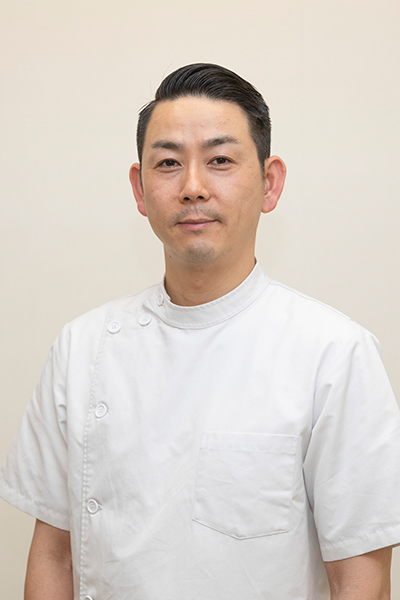
もし、お近くにお住まいで、困っているならば、一度ひまわり接骨院までお問い合わせください。腰痛・坐骨神経痛の専門家の新幡が、ご相談に乗ります。
気軽にご相談ください。

新着情報・お知らせ
平常通り営業致します。
日・祝休みです。
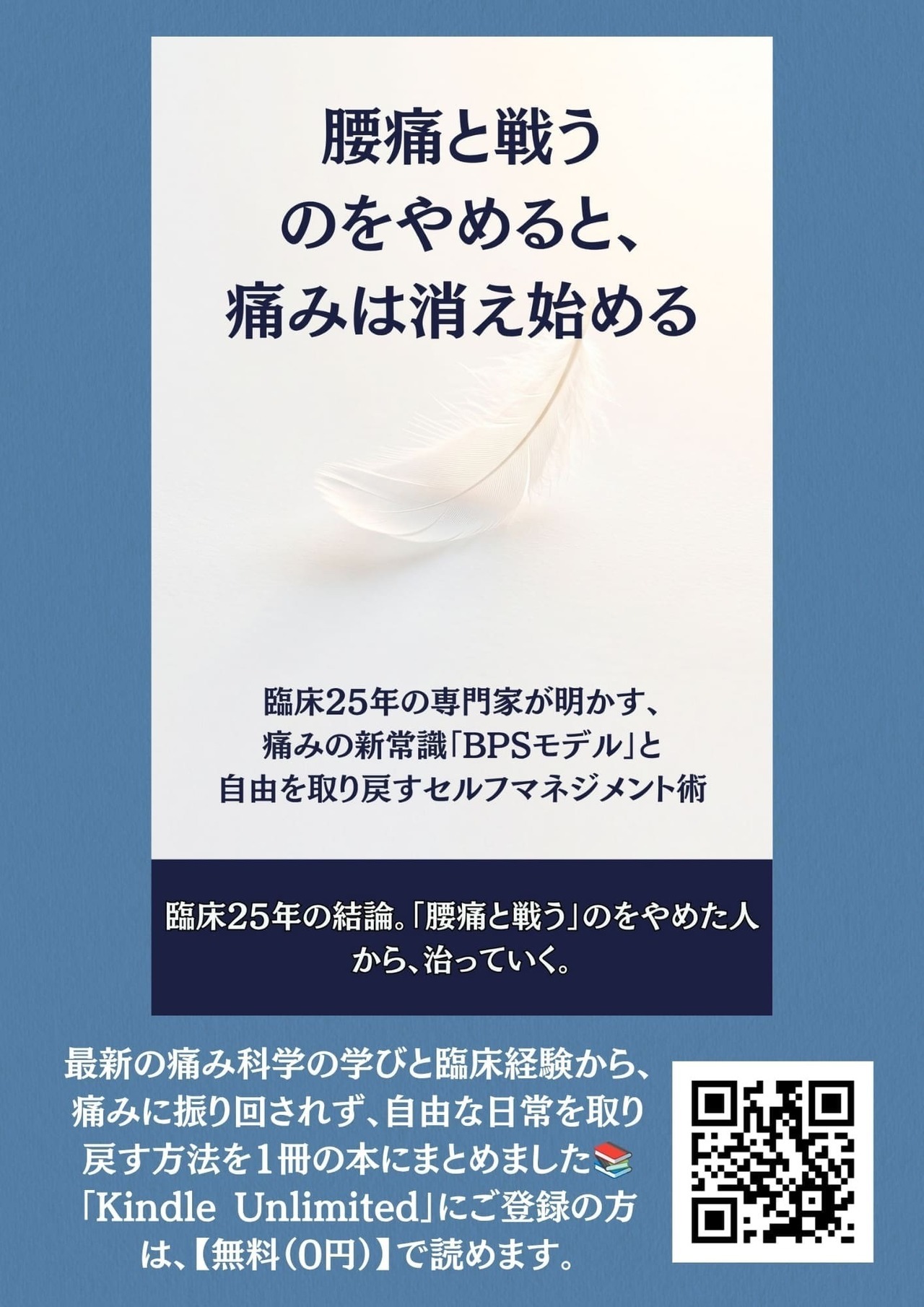
タイトル「腰痛は戦うのをやめると、痛みは消え始める」
Amazonの「Kindle Unlimited」にご登録の方は、【無料(0円)】で今すぐお読みいただけます!
↓↓
こちらから
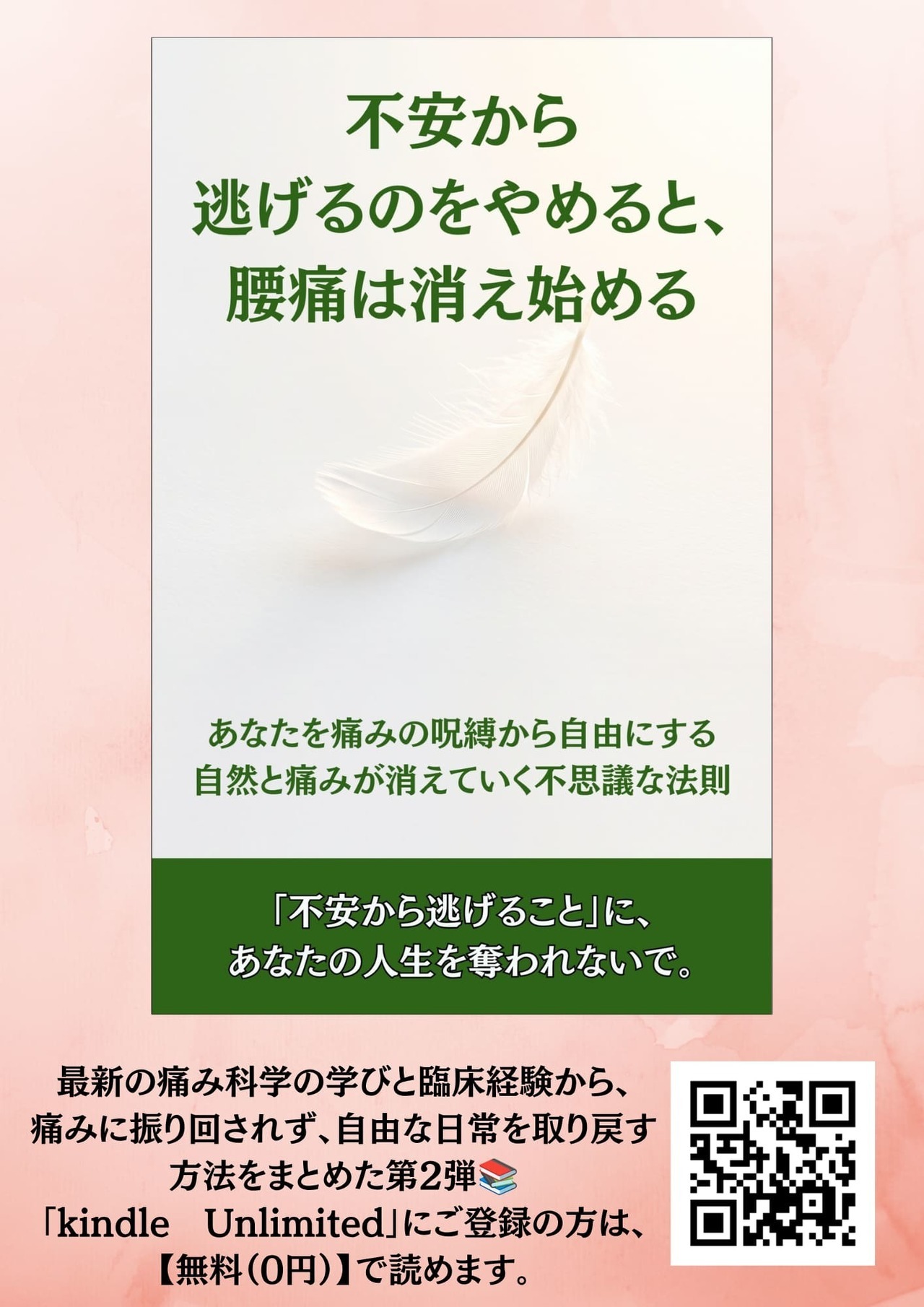
タイトル「不安から逃げるのをやめると、腰痛は消え始める」」
Amazonの「Kindle Unlimited」にご登録の方は、【無料(0円)】で今すぐお読みいただけます!
↓↓
こちらから
お気軽にお問合せください
お電話でのお問合せ・相談予約
<受付時間>
月~土
9:00〜13:00 /15:00〜19:00
※日曜・祝日は除く
フォームは24時間受付中です。お気軽にご連絡ください。
ひまわり接骨院
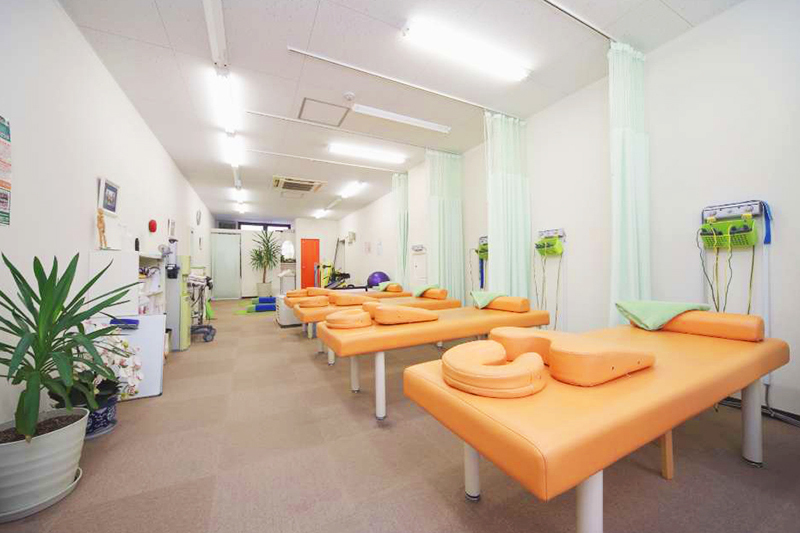
住所
〒213-0002
神奈川県川崎市高津区二子1丁目7−17 リバーサイドマンション杉崎 102
アクセス
二子新地駅 徒歩3分
駐車場:近隣にコインパーキングあり。自転車・バイクは店舗前に駐輪場がございます。
受付時間
月~土
9:00〜13:00 /15:00〜19:00
定休日
日曜・祝日