〒213-0002 神奈川県川崎市高津区二子1丁目7−17
リバーサイドマンション杉崎 102 二子新地駅 徒歩3分
| 月 | 火 | 水 | 木 | 金 | 土 | 日祝 | |
|---|---|---|---|---|---|---|---|
| 9:00〜13:00 | ● | ● | ● | ● | ● | ● | ─ |
| 15:00〜19:00 | ● | ● | ● | ● | ● | ● | ─ |
変形性股関節症の運動療法:エビデンスに基づく包括的ガイド
公開日:2026/04/27
更新日:2026/00/00
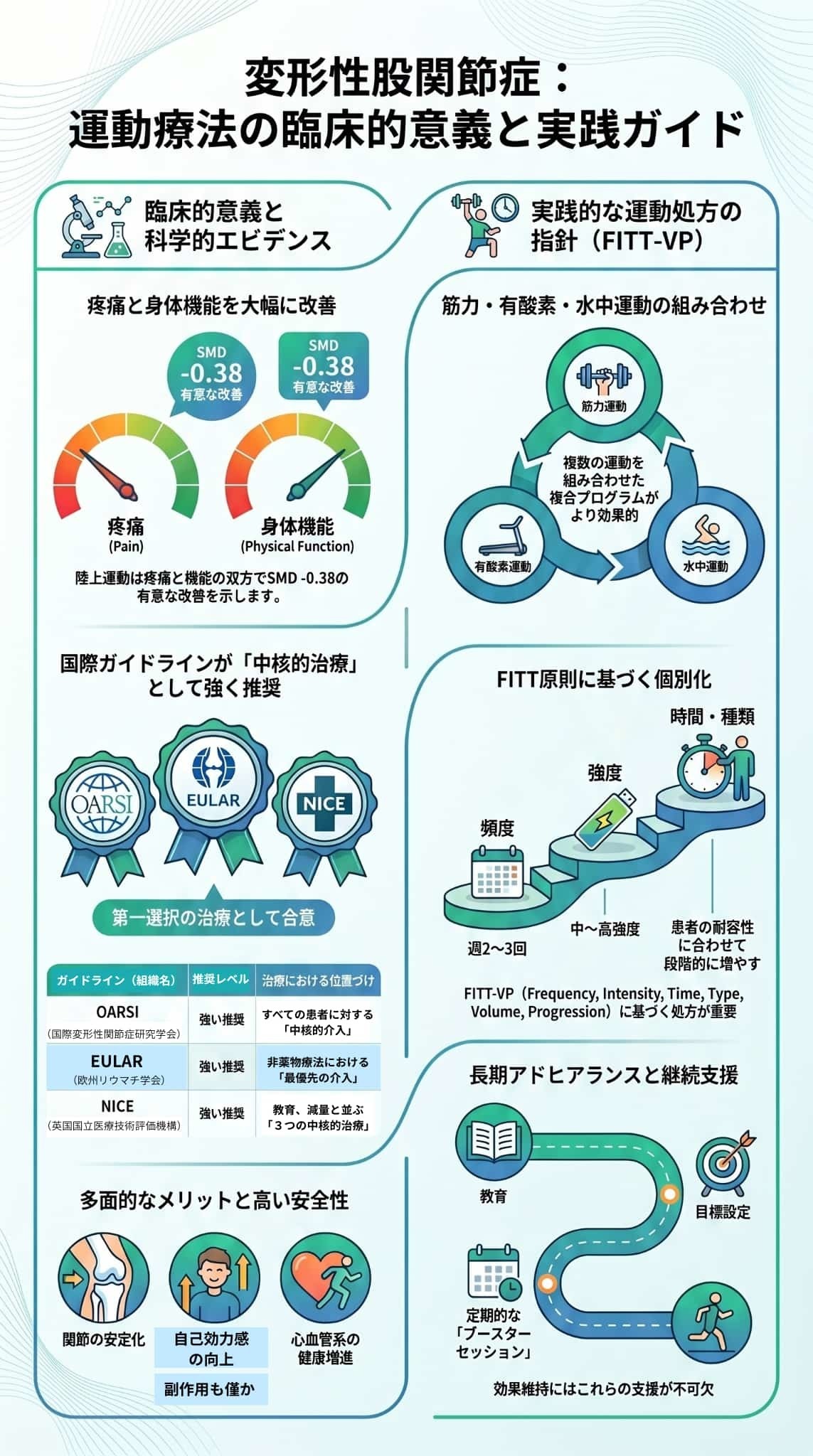
変形性股関節症に対する運動療法の有効性と実践方法を専門的に解説した包括的なガイドです。
国際的なガイドラインに基づき、痛みや身体機能の改善における高いエビデンスや、筋力訓練や有酸素運動といった具体的な手法を紹介しています。
単なる運動の推奨に留まらず、専門家による定期的な指導(ブースターセッション)が長期的な効果維持に不可欠である点を強調しているのが特徴です。
また、安全に継続するための痛みの管理基準や、患者の自己管理能力を高める教育の重要性についても詳しく触れています。
全体として、科学的根拠に基づいた保存的治療の第一選択としての運動療法の価値を説く内容となっています。
変形性股関節症(股関節OA)の管理において、運動療法は非薬物療法の中核となる第一選択の介入と位置づけられています。
人工股関節全置換術などの外科的治療が最終的な選択肢となる場合もありますが、まずは保存的治療による症状管理と機能維持を行うことが推奨されています。
参考文献によると、運動療法の臨床的意義は多面的であり、主に以下の4つのポイントが挙げられます。
- QOL(生活の質)の向上: 疼痛を軽減し、身体機能を改善することによって、患者のQOLを向上させます。
- 関節への負荷軽減: 股関節周囲の筋肉を強化することで関節の安定性が高まり、関節にかかる機械的な負担を軽減します。
- 全身の健康促進: 全身的な有酸素能力が向上することで心血管系の健康が促進され、他の併存疾患の管理にも寄与します。
- 自己管理能力の向上: 患者自身の自己効力感を高め、疾患に対する自己管理能力を向上させる効果があります。
これらの理由から、OARSI、EULAR、ACR、NICEなどの主要な国際診療ガイドラインでは、患者の年齢、疾患の重症度、症状、併存疾患の有無にかかわらず、すべての股関節OA患者に対して運動療法が強く推奨されています。
股関節の変形性関節症(股関節OA)に対する運動療法には多様な様式があり、それぞれが異なるメカニズムを通じて効果を発揮します。
主な種類とその特徴は以下の通りです。
- 有酸素運動 心肺機能の向上、体重管理、全身的な健康増進を目的とした運動です。関節への過度な負荷を避けつつ全身的な持久力を向上させることができるため、安全で効果的な選択肢となります。ウォーキング、サイクリング(固定式自転車)、ノルディックウォーキングなどが推奨されており、特にノルディックウォーキングは歩行距離の改善において優れた効果を示します。
- 筋力トレーニング 股関節OA管理の基盤となる介入です。主に股関節周囲の筋肉(外転筋、伸展筋、屈筋)および大腿四頭筋を強化することで関節の安定性を高め、関節への機械的ストレスを軽減します。患者の機能レベルに応じて、徐々に負荷を増やしていく「漸進的負荷」の原則に基づいて行うことが推奨されます。
- 水中運動(アクアティックエクササイズ) 水の浮力を利用することで、関節への荷重負担を軽減しながら運動できるという大きな利点があります。陸上での運動が困難な患者にも適しており、疼痛軽減と身体機能の改善に有効です。
- バランス・固有感覚訓練 片脚立位や不安定な面でのトレーニング、動的バランス課題などが含まれます。神経と筋肉の協調性(神経筋制御)を改善し、日常生活における転倒予防に寄与するため、特に高齢の患者にとって重要な訓練です。
- 柔軟性運動(ストレッチング)と機能的訓練 股関節の屈曲、伸展、外転、内転、回旋のストレッチングにより柔軟性と可動域を維持・改善します。また、階段昇降、椅子からの立ち上がり、歩行訓練といった日常生活動作に直結する機能的訓練も行われます。
- 心身運動(太極拳・ヨガなど) 身体的要素と精神的要素を統合したアプローチです。太極拳はゆっくりと流れるような動きを通じて、筋力、バランス、柔軟性、精神的リラクゼーションを促進します。ヨガは身体的ポーズ、呼吸法、瞑想を組み合わせ、疼痛管理だけでなくストレス軽減にも寄与する可能性があります。
- 複合的運動プログラム 有酸素運動、筋力トレーニング、ストレッチング、バランス訓練などを組み合わせた包括的なプログラムです。疼痛、筋力低下、可動域制限、持久力低下といった股関節OAの多様な問題に多角的にアプローチできるため、単一の運動を単独で行うよりも効果的である可能性が多くのガイドラインで示唆されています。
股関節の変形性関節症(股関節OA)に対する運動療法の有効性は、複数の高品質なシステマティックレビューやメタアナリシスによって裏付けられています。
主なアウトカム(治療結果)ごとのエビデンスは以下の通りです。
運動療法は、治療直後の痛みを臨床的に意義のあるレベルで有意に軽減します。複数の研究を統合したデータでは中等度の効果量(SMD -0.38〜-0.49)が示されており、重要な点として、この疼痛軽減効果は3〜6ヶ月後も持続することが確認されています。一部の累積メタアナリシスでは6〜9ヶ月後にも有益な効果が報告されていますが、効果量が小さくなるため長期的な臨床的意義については不明確な部分も残されています。
痛みに対する効果と同様に、身体機能や歩行能力についても治療直後に有意な改善が見られ、その効果は3〜6ヶ月後も維持されます。
特に、監視下で行われる陸上運動においては、適切な用量(運動の強度や量)を設定することが身体機能の改善において重要であることが示されています。
QOLに対する効果は、用いる評価尺度や介入の異質性などから研究間で結果にばらつきがあります。2014年のCochraneレビューでは有意な効果が示されませんでしたが、2023年のより新しいアンブレラレビューでは**QOLの有意な改善(中等度のエビデンス)**が報告されています。
また、精神的健康への直接的なエビデンスは限定的ですが、運動療法を通じて疾患の自己管理能力や自己効力感が高まることで、間接的に寄与する可能性が示唆されています。
運動によって股関節周囲の筋肉が強化されて関節が安定し、結果として軟骨変性の進行(構造的な悪化)を遅らせるという理論的な可能性はあります。
しかし、現時点ではこれを直接的に支持する臨床エビデンスは不足しており、長期的なフォローアップ研究が待たれる状況です。
総じて、現段階のエビデンスは**「痛みの軽減」と「身体機能の改善」において極めて質の高い結果**を示しており、これが国際的な診療ガイドラインで運動療法が中核的介入として強く推奨される最大の根拠となっています。
主要な国際診療ガイドライン(OARSI、EULAR、ACR、NICEなど)では、患者の年齢、疾患の重症度、症状、併存疾患の有無にかかわらず、すべての変形性股関節症(股関節OA)患者に対して運動療法を中核的介入として強く推奨しています。
- 非薬物療法の最優先の選択肢: 運動療法は、非外科的・非薬物的な管理において最も重要な第一選択の治療と位置づけられています。
- 教育や自己管理との統合: 運動単独ではなく、患者教育、自己管理戦略(情報提供やアドバイス)、適切な場合の体重減少と組み合わせた包括的なアプローチが推奨されています。特にNICE(英国)、OARSI(国際変形性関節症研究学会)、EULAR(欧州リウマチ学会)では、これらをセットにして「中核的治療」として重視しています。
- 個別化と適切な用量設定(段階的進行): 画一的なアプローチ(万能アプローチ)は避け、患者の現在の機能レベル、疼痛、併存疾患に合わせてプログラムを調整することが求められます。運動の頻度、強度、時間、種類(FITTファクター)を個別化し、適切な用量設定と段階的な負荷の進行を行うことが強く推奨されています。
- 多様な運動様式の組み合わせ: 単一の運動だけでなく、筋力強化運動と有酸素運動の両方を実施することが広く支持されています。
- 監視下での運動: オランダの理学療法ガイドラインや他の推奨では、特に重度の機能制限や併存疾患を抱える患者に対して、安全かつ効果的に取り組むための**監視下運動療法(専門家による直接指導)**が推奨されています。
総じて、国際的なガイドラインでは単に「運動をすること」を勧めるだけでなく、**「患者一人ひとりに合わせた適切な用量の運動を、疾患教育や自己管理のサポートとともに提供すること」**が最良の実践(ベストプラクティス)として推奨されています。
運動療法は、すべての人に同じ内容を提供する「万能アプローチ」を避け、患者一人ひとりの機能レベル、痛みの程度、併存疾患に合わせて個別化することが基本となります。具体的には、「FITT-VPの原則」(頻度、強度、時間、種類、量、進行)に基づいて計画・実施されます。
- 頻度: 週に2〜3回以上の、監視下または構造化された運動セッションが推奨されます。
- 時間: 1回のセッションは、ウォームアップ、メインの運動、クールダウンを含めて30〜60分が適切です。
- 期間: 最低でも3ヶ月、理想的には6ヶ月以上の継続的な介入期間を設けることが推奨されています。
- 種類: 筋力トレーニング、有酸素運動、柔軟性運動を組み合わせた「複合的プログラム」を取り入れることが推奨されています。
- 強度: 最終的には中強度から高強度を目指しますが、最初は患者の耐容性に合わせて設定します。例えば、筋力トレーニングなら「適切なフォームで8〜12回完了できる負荷」から、有酸素運動なら「やや楽〜やや辛い」と感じる中等度から開始します。
- 段階的な進行(漸進性): 急激に負荷を上げることは避け、重さ、回数、セット数、運動の複雑さを徐々に増やしていきます。一般的には、週ごとの負荷の増加を10%以内に抑える「10%ルール」が推奨されます。
- 痛みのコントロール: 運動中や運動後の痛みを常に監視し、許容範囲内に収めることが極めて重要です。目安として、運動中の痛みは「10段階評価で5以下(軽度から中等度)」に留め、運動後2時間以内には運動前のレベルに戻るように強度を調整します。
運動療法の効果は、継続をやめてしまうと長期的に維持できないことが分かっています。そのため、単に運動を指導して終わりではなく、以下のような計画も組み込まれます。
- ブースターセッション: 定期的に追加の指導や復習のセッションを設け、モチベーションの維持やプログラムの再調整を行います。
- 教育と自己管理: 患者自身が病気を理解し、目標設定や自己監視(モニタリング)を行えるようサポートします。必要に応じて、自宅での運動を支援するデジタル技術やアプリなどを活用することもあります。
専門家による定期的な評価と細やかな痛みのモニタリングを行いながら、無理なく段階的にステップアップしていくのが実際のアプローチです。
運動療法の効果を最大化し、長期的な利益を得るためには「アドヒアランス(治療の継続・遵守)」が極めて重要ですが、実際には多くの患者にとって運動を長期的に継続することは大きな課題となっています。
長期的な継続率を高め、運動の効果を維持するための具体的なコツや戦略として、以下の5つが推奨されています。
患者自身が自分の病態を正しく理解し、運動療法がなぜ重要なのかを認識することが、長期的なアドヒアランスの基盤となります。
EULAR(欧州リウマチ学会)やOARSI(国際変形性関節症研究学会)のガイドラインでも、情報提供や教育、自己管理戦略を最優先事項として強調しています。
患者が運動に対して持つ「信念」や「期待」も継続率に大きく影響するため、疑問や不安を解消しておくことが大切です。
単に「運動する」と決意するだけでなく、行動を習慣化するための心理学的な工夫が推奨されています。
具体的には、目標設定、自己監視(記録をつけること)、フィードバック、社会的支援、問題解決スキルの習得などを組み合わせるアプローチです。長期的なモニタリングや、成果を視覚的に確認できるグラフィックフィードバックを取り入れることも有効です。
長期効果を維持する上で、極めて重要な戦略です。研究によれば、運動療法による痛みや身体機能の改善効果は、定期的な追加セッション(ブースターセッション)を行わないと長期的には持続しないことが強く示唆されています。
定期的に専門家(理学療法士など)の指導を受け、モチベーションを維持しつつ、運動フォームの再確認や、状態に合わせたプログラムの再調整を行う機会を設ける必要があります。
誰にでも同じ運動をさせる「万能アプローチ」は避け、個々の身体的な問題に合わせてプログラムを調整すべきです。
また、グループで運動するのが好きか、自宅で一人で行うのが好きかといった患者個人の好みを考慮することも重要とされています。
さらに、配偶者や家族に参加してもらい周囲のサポートを得ることも、継続を後押しする効果的な戦略です。
自宅での運動をサポートする手段として、インターネットを活用したデジタル技術(アプリやオンラインプログラムなど)の導入も検討されています。
これにより、遠隔からのモニタリングや定期的なフィードバックの提供が可能となり、在宅運動の質と継続率の向上に役立つ可能性があります。
総じて、単に個人の意志力に頼るのではなく、**「専門家による定期的なフォローアップ(ブースターセッション)を仕組みとして組み込むこと」や、「自分に合った環境(家族の支援やデジタルの活用、好みの運動スタイル)を整えること」**が、運動療法を長期的に成功させる最大のコツと言えます。
ブースターセッションとは、初期の運動療法プログラムが終了した後にも定期的に設けられる、専門家による追加の指導やフォローアップの機会のことです。
具体的には、以下のような目的で行われます。
- 患者のモチベーションの維持
- 運動技術(正しいフォームなど)の再確認
- 患者の現在の状態に合わせた運動プログラムの再調整
変形性股関節症に対する運動療法の長期的な効果については、介入が終了してからの期間や、その後のフォローアップの有無によって結果が異なります。
高品質なエビデンスにより、運動療法による疼痛の軽減と身体機能の改善効果は、介入後3〜6ヶ月間は持続することが確認されています。
しかし、6〜9ヶ月後になると効果量がやや減少することが複数の研究を統合したデータで示されており、その臨床的な意義(患者が明確な改善を感じられるか)については不明確になると指摘されています
さらに長期的なフォローアップデータについては、現時点では限定的です。
以前の回答でも触れた通り、長期的な効果を左右する最大の要因は専門家による定期的な追加指導(ブースターセッション)です。
研究によると、ブースターセッションを行わない運動療法では、痛みや身体機能に対する長期的な効果は消失してしまいます。一方で、定期的なブースターセッションを組み込んだ場合は、痛みや身体機能に対する効果が長期的にも維持されることが確認されています。
長期間の運動によって筋力が向上し関節が安定することで、軟骨のすり減りや骨の変形といった「構造的な悪化」を遅らせるという理論的な可能性はありますが、現時点ではこれを直接的に支持するエビデンスは不十分です。症状の管理には有効であるものの、関節自体の変形を長期的に食い止められるかどうかは今後の重要な研究課題とされています。
これらの結果から、運動療法による痛みの軽減や機能改善といったポジティブな効果を長期的に得るためには、単に一定期間運動して終わるのではなく、教育や自己管理支援とともに、定期的な専門家の介入(ブースターセッション)を継続的に組み込むことが不可欠であると結論づけられています。
変形性股関節症に対する運動療法は、一般的に安全な介入であり、重篤な有害事象の報告は少ないとされています。質の高い研究(Cochraneレビューなど)においても、運動療法に関連する重大な有害事象は報告されていません。
- 痛みの管理: 運動中の痛みは軽度から中等度(10段階で5以下)に留め、運動後2時間以内には元のレベルに戻るように調整します。
- 漸進性(段階的な進行): 急激な負荷の増加を避け、負荷の増加を週に10%以内に抑える「10%ルール」が推奨されています。
- 専門家による監視: 特に重度の機能制限や併存疾患がある患者の場合、専門家の監視下で運動を行うことが推奨されます。
- 併存疾患への対応: 心血管疾患、呼吸器疾患、糖尿病、骨粗鬆症などの疾患を併発している場合は、それらに対する事前の適切な評価と管理が必要であり、必要に応じて他の医療専門職との連携が求められます。ただし、適切に設計されたプログラムであれば、複雑な併存疾患を持つ患者でも運動によって顕著な改善を示すことが報告されています。
以下のような状況では、運動療法を実施するにあたり特別な注意を払うか、状態が落ち着くまで運動の開始を延期する必要があります。
- 急性炎症期: 関節に明らかな腫れ、熱感、発赤(赤み)がある場合。
- 重度の疼痛: 安静時の痛みがひどく、運動によって痛みが著しく悪化する場合。
- 不安定な併存疾患: コントロールが不十分な心血管疾患や、重度の呼吸器疾患などがある場合。
- 急性感染症: 全身性、あるいは局所的な急性感染症にかかっている場合。
- 骨折リスク: 重度の骨粗鬆症や骨転移などがあり、運動による骨折のリスクが高い場合。
運動療法は基本的には安全で費用対効果にも優れた治療法ですが、事前にこれらの禁忌事項に該当しないか適切な評価を受け、患者個人の状態に合わせてリスクを最小化するプログラムを設計することが重要です。
エビデンスによると、専門家の指導のもとで行う**「監視下での運動」の方が、非監視下での在宅運動よりも高い効果を示す**ことが報告されています。
本レビューの結論として、運動療法は変形性股関節症(股関節OA)患者の疼痛軽減、身体機能の改善、そしてQOL(生活の質)向上に貢献する、安全で費用対効果に優れた第一選択の非薬物介入であると結論づけられています。
本レビューが統合したエビデンスと実践的推奨事項の要点は以下の通りです。
- 確かな有効性と国際的推奨: 陸上運動療法は痛みと身体機能を臨床的に意義のあるレベルで改善し、その効果は3〜6ヶ月持続するという高品質なエビデンスがあります。主要な国際ガイドラインは、年齢や疾患の重症度、併存疾患の有無にかかわらず、すべての股関節OA患者に対する中核的治療として運動療法を強く推奨しています。
- 多様な運動と個別化の重要性: 筋力トレーニング、有酸素運動、水中運動など多様な運動様式が有効です。実践にあたってはFITT-VPの原則(頻度、強度、時間、種類、量、進行)に基づき、患者一人ひとりの状態に合わせた「適切な用量設定と段階的な進行」を行うことが極めて重要です。
- 包括的アプローチによる長期効果の維持: 運動療法の効果を長続きさせるためには、単に運動するだけでなく、定期的なブースターセッション(追加指導)の実施、患者教育、自己管理支援、行動変容技法などを統合した包括的なアプローチが求められます。
- 高い安全性: 適切な事前の評価や痛みの管理、個別化を行うことでリスクは最小化でき、重篤な有害事象は少ない安全な介入です。
まだ解明されていない「最適な運動用量の決定」や「長期的に継続させるための戦略」、運動が軟骨変性(放射線学的進行)に与える影響の評価、さらにはデジタル技術の活用などが重要な研究課題として挙げられています。
また、膝関節OAに比べて股関節OAに関する研究が少ないため、股関節特有の病態を考慮したプログラム開発と研究の増加が求められています。
[1] Fransen, M., McConnell, S., Harmer, A. R., Van der Esch, M., Simic, M., & Bennell, K. L. (2014). Exercise for osteoarthritis of the hip. Cochrane Database of Systematic Reviews. https://doi.org/10.1002/14651858.CD007912.PUB2
[2] Varongot-Reille, F., Sellam, J., Palazzo, C., Foltz, V., Rannou, F., Fautrel, B., & Nguyen, C. (2023). Effectiveness of exercise on pain intensity and physical function in patients with knee and hip osteoarthritis: an umbrella and mapping review with meta-meta-analysis. Disability and Rehabilitation. https://doi.org/10.1080/09638288.2023.2252742
[3] Varangot-Reille, F., Sellam, J., Palazzo, C., Foltz, V., Rannou, F., Fautrel, B., & Nguyen, C. (2023). Effectiveness of exercise on pain intensity and physical function in patients with knee and hip osteoarthritis: an umbrella and mapping review with meta-meta-analysis. https://doi.org/10.6084/m9.figshare.24125433
[4] Sampath, K. K., Mani, R., Miyamori, T., & Tumilty, S. (2016). The effects of manual therapy or exercise therapy or both in people with hip osteoarthritis: A systematic review and meta-analysis. Clinical Rehabilitation. https://doi.org/10.1177/0269215515622670
[5] Hansen, S., Aaboe, J., Mechlenburg, I., Overgaard, S., & Søballe, K. (2020). Effectiveness of supervised resistance training for patients with hip osteoarthritis - a systematic review. Danish Medical Journal.
[6] Caduda, R., Rodrigues, M., Mendes, R., & Sousa, N. (2024). Is physical exercise effective in improving pain, functional mobility and quality of life in individuals with hip osteoarthritis? A systematic review with meta-analysis. Journal of Bodywork and Movement Therapies. https://doi.org/10.1016/j.jbmt.2024.11.010
[7] Moseng, T., Vliet Vlieland, T. P. M., Battista, S., Beckwée, D., Brosseau, L., Dobson, F., Jönsson, T., Opava, C. H., Pitsillidou, I. A., Thorstensson, C. A., & Vlieland, T. P. M. V. (2017). The importance of dose in land-based supervised exercise for people with hip osteoarthritis. A systematic review and meta-analysis. Osteoarthritis and Cartilage. https://doi.org/10.1016/J.JOCA.2017.06.004
[8] Fransen, M., McConnell, S., & Bell, M. (2010). Does land-based exercise reduce pain and disability associated with hip osteoarthritis? A meta-analysis of randomized controlled trials. Osteoarthritis and Cartilage. https://doi.org/10.1016/J.JOCA.2010.01.003
[9] Bartels, E. M., Juhl, C. B., Christensen, R., Hagen, K. B., Danneskiold-Samsøe, B., Dagfinrud, H., & Lund, H. (2016). Aquatic exercise for the treatment of knee and hip osteoarthritis. Cochrane Database of Systematic Reviews. https://doi.org/10.1002/14651858.CD005523.PUB3
[10] Beumer, L., Wong, J., Warden, S. J., Kemp, J. L., Foster, N., & Crossley, K. M. (2016). Effects of exercise and manual therapy on pain associated with hip osteoarthritis: a systematic review and meta-analysis. British Journal of Sports Medicine. https://doi.org/10.1136/BJSPORTS-2015-095255
[11] Bannuru, R. R., Osani, M. C., Vaysbrot, E. E., Arden, N. K., Bennell, K., Bierma-Zeinstra, S. M. A., Kraus, V. B., Lohmander, L. S., Abbott, J. H., Bhandari, M., Blanco, F. J., Espinosa, R., Haugen, I. K., Lin, J., Mandl, L. A., Moilanen, E., Nakamura, N., Snyder-Mackler, L., Trojian, T., Underwood, M., & McAlindon, T. E. (2019). OARSI guidelines for the non-surgical management of knee, hip, and polyarticular osteoarthritis. Osteoarthritis and Cartilage. https://doi.org/10.1016/J.JOCA.2019.06.011
[12] Jochimsen, K. N., Jevsevar, D. S., Khlopas, A., Harwin, S. F., & Mont, M. A. (2023). Arthritis Foundation/HSS Workshop on Hip Osteoarthritis, Part 3: Rehabilitation and Exercise. HSS Journal. https://doi.org/10.1177/15563316231192098
[13] Peter, W. F., Hurkmans, E. J., van der Wees, P. J., Hendriks, E. J. M., van Bodegom-Vos, L., Vliet Vlieland, T. P. M., & Bierma-Zeinstra, S. M. A. (2019). SAT0728-HPR Revision of the Dutch guideline for physiotherapy in patients with hip and knee osteoarthritis: recommendations for daily practice. Annals of the Rheumatic Diseases. https://doi.org/10.1136/ANNRHEUMDIS-2019-EULAR.3168
[14] Holden, M. A., Metcalf, B., Lawford, B. J., Hinman, R. S., Boyd, M., Button, K., Chesterton, L. S., Dziedzic, K., Edwards, J. J., Quicke, J. G., Rees, F., Whitehurst, D. G. T., Foster, N. E., & Bennell, K. L. (2023). Moderators of the effect of therapeutic exercise for knee and hip osteoarthritis: a systematic review and individual participant data meta-analysis. The Lancet Rheumatology. https://doi.org/10.1016/s2665-9913(23)00122-4
[15] Holden, M. A., Bennell, K. L., Hinman, R. S., Lawford, B. J., Metcalf, B., Quicke, J. G., & Foster, N. E. Recommendations for the delivery of therapeutic exercise for people with knee and/or hip osteoarthritis. An international consensus study from the OARSI.
[16] Moseng, T., Vliet Vlieland, T. P. M., Battista, S., Beckwée, D., Brosseau, L., Dobson, F., Jönsson, T., Opava, C. H., Pitsillidou, I. A., & Thorstensson, C. A. (2023). OP0076 Update of the EULAR recommendations for the non-pharmacological core management of hip and knee osteoarthritis. Annals of the Rheumatic Diseases. https://doi.org/10.1136/annrheumdis-2023-eular.1710
[17] Wainwright, T. W., Immins, T., & Middleton, R. G. (2015). Hip osteoarthritis: patients with complex comorbidities can make exceptional improvements following intensive exercise and education. Case Reports. https://doi.org/10.1136/BCR-2014-208529
[18] Bieler, T., Magnusson, S. P., Christensen, H. E., Kjaer, M., & Beyer, N. (2014). SAT0451 Supervised Strength Training, NORDIC Walking or Unsupervised Home Based Exercise in Older People with Hip Osteoarthritis? A Randomized Trial. Annals of the Rheumatic Diseases. https://doi.org/10.1136/ANNRHEUMDIS-2014-EULAR.2360
[19] Mehta, S. P., Meyers, K., Maher, A., & Bise, C. G. (2025). A Systematic Review of Clinical Practice Guidelines for Physical Therapy Management of Hip and Knee Osteoarthritis. Critical Reviews in Physical and Rehabilitation Medicine. https://doi.org/10.1615/critrevphysrehabilmed.2025059275
[20] Moseng, T., Vliet Vlieland, T. P. M., Battista, S., Beckwée, D., Brosseau, L., Dobson, F., Jönsson, T., Opava, C. H., Pitsillidou, I. A., Thorstensson, C. A., Skou, S. T., & Vlieland, T. P. M. V. (2024). EULAR recommendations for the non-pharmacological core management of hip and knee osteoarthritis: 2023 update. Annals of the Rheumatic Diseases. https://doi.org/10.1136/ard-2023-225041
[21] Poquet, N., Lin, C. W. C., Heymans, M. W., van Tulder, M. W., Esmail, R., Koes, B. W., & Maher, C. G. (2016). Exercise for Osteoarthritis of the Hip. Physical Therapy. https://doi.org/10.2522/PTJ.20150597
[22] Mazières, B., Thevenon, A., Coudeyre, E., Chevalier, X., Revel, M., & Rannou, F. (2008). Adherence to, and results of, physical therapy programs in patients with hip or knee osteoarthritis. Development of French clinical practice guidelines. Joint Bone Spine. https://doi.org/10.1016/J.JBSPIN.2008.02.016
[23] Hannon, C. P., Calkins, T. E., Li, J., Culvern, C., Darrith, B., Della Valle, C. J., & Berger, R. A. (2024). American Academy of Orthopaedic Surgeons Clinical Practice Guideline Summary Management of Osteoarthritis of the Hip. Journal of The American Academy of Orthopaedic Surgeons. https://doi.org/10.5435/jaaos-d-24-00420
[24] Piuzzi, N. S., Strnad, G., Rullán, P. J., Bohl, D. D., Kurtz, S. M., Mont, M. A., Muschler, G. F., & Spindler, K. P. (2018). American Academy of Orthopaedic Surgeons Appropriate Use Criteria: Management of Osteoarthritis of the Hip. Journal of The American Academy of Orthopaedic Surgeons. https://doi.org/10.5435/JAAOS-D-18-00335
[25] Young, J. J., Hartvigsen, J., Roos, E. M., Ammendolia, C., Juhl, C. B., Grønne, D. T., Skou, S. T., & Wong, J. J. (2021). Management of knee and hip osteoarthritis: an opportunity for the Canadian chiropractic profession. Journal of the Canadian Chiropractic Association.
[26] Kamioka, H., Tsutani, K., Okuizumi, H., Mutoh, Y., Ohta, M., Handa, S., Okada, S., Kitayuguchi, J., Kamada, M., Shiozawa, N., & Honda, T. (2010). Effectiveness of Aquatic Exercise and Balneotherapy: A Summary of Systematic Reviews Based on Randomized Controlled Trials of Water Immersion Therapies. Journal of Epidemiology. https://doi.org/10.2188/JEA.JE20090030
[27] Holden, M. A., Bennell, K. L., Hinman, R. S., Lawford, B. J., Metcalf, B., Quicke, J. G., & Foster, N. E. Guidance for implementing best practice therapeutic exercise for patients with knee and hip osteoarthritis: what does the current evidence base tell us?
[28] Teirlinck, C. H., Dorleijn, D. M. J., Bierma-Zeinstra, S. M. A., Dekker, J., Runhaar, J., & Luijsterburg, P. A. J. (2023). Effect of exercise therapy in patients with hip osteoarthritis: a systematic review and cumulative meta-analysis. Osteoarthritis and Cartilage Open. https://doi.org/10.1016/j.ocarto.2023.100338
[29] Marriott, K. A., Barker, A. L., Warden, S. J., & Wluka, A. E. (2024). Are the Effects of Resistance Exercise on Pain and Function in Knee and Hip Osteoarthritis Dependent on Exercise Volume, Duration and Adherence? Arthritis Care and Research. https://doi.org/10.1002/acr.25313
[30] Pisters, M. F., Veenhof, C., van Meeteren, N. L. U., Ostelo, R. W. J. G., de Bakker, D. H., Schellevis, F. G., & Dekker, J. (2007). Long-term effectiveness of exercise therapy in patients with osteoarthritis of the hip or knee: a systematic review. Arthritis & Rheumatism. https://doi.org/10.1002/ART.23009
[2] Brosseau, L., Taki, J., Desjardins, B., Thevenot, O., Fransen, M., Wells, G. A., Mizusaki Imoto, A., Toupin-April, K., Westby, M., Álvarez Gallardo, I. C., Gifford, W., Laferrière, L., Rahman, P., Loew, L., De Angelis, G., Cavallo, S., Shallwani, S. M., Aburub, A., Bennell, K. L., Van der Esch, M., Simic, M., McConnell, S., Harmer, A., Kenny, G. P., Paterson, G., Regnaux, J. P., Lefevre-Colau, M. M., & McLean, L. (2016). Ottawa Panel evidence-based clinical practice guidelines for therapeutic exercise in the management of hip osteoarthritis. Clinical Rehabilitation. https://doi.org/10.1177/0269215515606198
[3] Gibbs, A. J., Gray, B., Wallis, J. A., Taylor, N. F., Kemp, J. L., Hunter, D. J., Barton, C. J., Hinman, R. S., & Bennell, K. L. (2023). Recommendations for the management of hip and knee osteoarthritis: a systematic review of clinical practice guidelines. Osteoarthritis and Cartilage. https://doi.org/10.1016/j.joca.2023.05.015
[5] Cibulka, M. T., Bloom, N. J., Enseki, K. R., Macdonald, C. W., Woehrle, J., & McDonough, C. M. (2009). Hip pain and mobility deficits--hip osteoarthritis: clinical practice guidelines linked to the international classification of functioning, disability, and health from the orthopaedic section of the American Physical Therapy Association. Journal of Orthopaedic & Sports Physical Therapy. https://doi.org/10.2519/JOSPT.2009.0301
[6] McNair, P. J., Simmonds, M. A., Boocock, M. G., & Larmer, P. J. (2009). Exercise therapy for the management of osteoarthritis of the hip joint: a systematic review. Arthritis Research & Therapy. https://doi.org/10.1186/AR2743
[7] Dobson, F., Bennell, K. L., French, S. D., Nicolson, P. J. A., Klaasman, R. N., Holden, M. A., Atkins, C., & Hinman, R. S. (2019). Contemporary Non-Surgical Considerations in the Management of People with Extra- and Intra-Articular Hip Pathologies. https://doi.org/10.5772/INTECHOPEN.81821
[9] Roddy, E., Zhang, W., Doherty, M., Arden, N. K., Barlow, J., Birrell, F., Carr, A., Chakravarty, K., Dickson, J., Hay, E., Hosie, G., Hurley, M., Jordan, K. M., McCarthy, C., McMurdo, M., Mockett, S., O'Reilly, S., Peat, G., Pendleton, A., & Richards, S. (2005). Evidence-based recommendations for the role of exercise in the management of osteoarthritis of the hip or knee—the MOVE consensus. Rheumatology. https://doi.org/10.1093/RHEUMATOLOGY/KEH399
[10] Koc, B. B., Trompetter, I., Heijmans, M., Huisman, P. A., Bierma-Zeinstra, S. M. A., van Middelkoop, M., Waarsing, J. H., Agricola, R., Reiman, M. P., Enseki, K. R., Harris-Hayes, M., Kaplan, S. L., Logerstedt, D. S., Carreira, D., Christoforetti, J. J., Martin, R. L., Mather, R. C., Khlopas, A., & Restrepo, C. (2025). Hip Pain and Mobility Deficits - Hip Osteoarthritis: Revision 2025. Journal of Orthopaedic & Sports Physical Therapy. https://doi.org/10.2519/jospt.2025.0301
[14] Zhang, W., Doherty, M., Arden, N., Bannwarth, B., Bijlsma, J., Gunther, K. P., Hauselmann, H. J., Herrero-Beaumont, G., Jordan, K., Kaklamanis, P., Leeb, B., Lequesne, M., Lohmander, S., Mazieres, B., Martin-Mola, E., Pavelka, K., Pendleton, A., Punzi, L., Swoboda, B., Varatojo, R., Verbruggen, G., Zimmermann-Gorska, I., & Dougados, M. (2008). OARSI recommendations for the management of hip and knee osteoarthritis, Part II: OARSI evidence-based, expert consensus guidelines. Osteoarthritis and Cartilage. https://doi.org/10.1016/J.JOCA.2007.12.013
[16] Zampogna, B., Papalia, R., Papalia, G. F., Campi, S., Vasta, S., Vorini, F., Fossati, C., Torre, G., Denaro, V., & Papalia, R. (2020). The Role of Physical Activity as Conservative Treatment for Hip and Knee Osteoarthritis in Older People: A Systematic Review and Meta-Analysis. Journal of Clinical Medicine. https://doi.org/10.3390/JCM9041167
[17] Teirlinck, C. H., Luijsterburg, P. A. J., Dekker, J., Bohnen, A. M., Verhaar, J. A. N., Koopmanschap, M. A., Bierma-Zeinstra, S. M. A., & Runhaar, J. (2020). Responders to Exercise Therapy in Patients with Osteoarthritis of the Hip: A Systematic Review and Meta-Analysis. International Journal of Environmental Research and Public Health. https://doi.org/10.3390/IJERPH17207380
[18] McNair, P. J., Simmonds, M. A., Boocock, M. G., & Larmer, P. J. (2009). Exercise therapy for the management of osteoarthritis of the hip joint: a systematic review. Arthritis Research & Therapy. https://doi.org/10.1186/AR2743
[19] Mao, Y., Xu, Y., Xu, S., & Qin, M. (2024). Efficacy of home-based exercise in the treatment of pain and disability at the hip and knee in patients with osteoarthritis: a systematic review and meta-analysis. BMC Musculoskeletal Disorders. https://doi.org/10.1186/s12891-024-07585-w
[22] Fan, X., Liu, Y., Chen, J., & Jia, Y. (2023). How effective are exercises delivered digitally (requiring internet), amongst patients with hip or knee osteoarthritis? A systematic review and meta-analysis. Osteoarthritis and Cartilage. https://doi.org/10.1016/j.joca.2023.11.011
[23] Hurley, M., Dickson, K., Hallett, R., Grant, R., Hauari, H., Walsh, N., Stansfield, C., & Oliver, S. (2018). Exercise interventions and patient beliefs for people with hip, knee or hip and knee osteoarthritis: a mixed methods review. Cochrane Database of Systematic Reviews. https://doi.org/10.1002/14651858.CD010842.PUB2
[24] Wang, H., Bao, J., Jiang, Y., Zhu, L., Hu, Y., & Wang, Y. (2016). Manual therapy for hip osteoarthritis: a systematic review and meta-analysis. Pain Physician. https://doi.org/10.36076/PPJ.2015/18/E1005
[25] Fransen, M., & McConnell, S. (2002). Therapeutic Exercise for People with Osteoarthritis of the Hip or Knee. A Systematic Review. The Journal of Rheumatology.
[27] Zahed, H., Aali, S., Hosseini, S. R., Dadgoo, M., Nasiri, E., Tabesh, H., & Biglarian, A. (2026). Impact of Virtual Reality-Based Rehabilitation on Postoperative Outcomes Following Total Hip Arthroplasty: A Systematic Review and Meta-Analysis. Cureus. https://doi.org/10.7759/cureus.101230
[30] Hernández-Molina, G., Reichenbach, S., Zhang, B., Lavalley, M., & Felson, D. T. (2008). Effect of therapeutic exercise for hip osteoarthritis pain: Results of a meta-analysis. Arthritis & Rheumatism. https://doi.org/10.1002/ART.24010
ごあいさつ
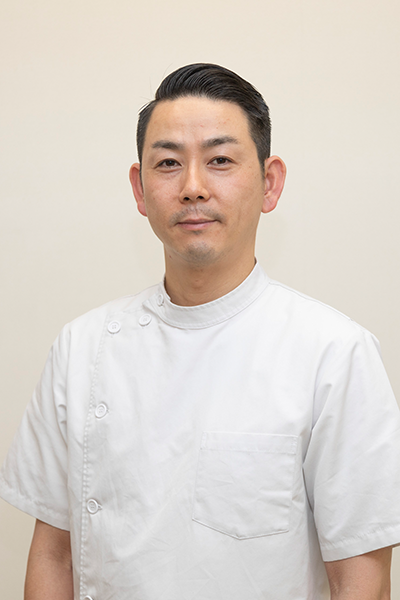
長引いた痛みを一人で治すのは困難なことが多いです。
困ったときは自身で判断せずに適切な処置を受けるために専門家に相談しましょう。
もし、お近くにお住まいで、困っているならば、一度ひまわり接骨院までお問い合わせください。腰痛・坐骨神経痛の専門家の新幡が、ご相談に乗ります。
気軽にご相談ください。

新着情報・お知らせ
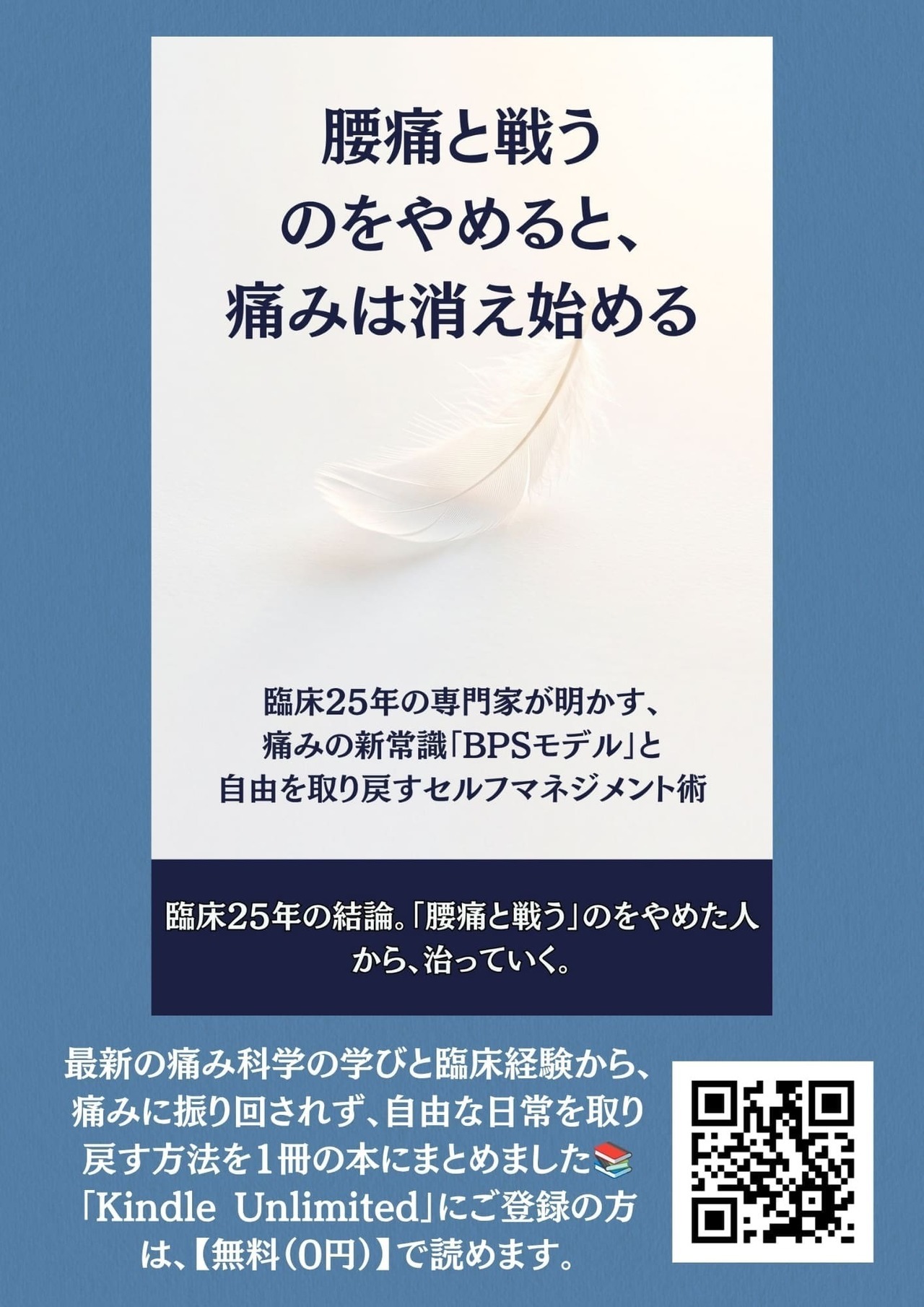
タイトル「腰痛は戦うのをやめると、痛みは消え始める」
Amazonの「Kindle Unlimited」にご登録の方は、【無料(0円)】で今すぐお読みいただけます!
↓↓
こちらから
2026年9月のお休み
平常通り営業致します。
21日(月)~23(水)は祝日の為、
お休みになります。
日・祝休み
お気軽にお問合せください

お電話でのお問合せ・相談予約
<受付時間>
月~土
9:00〜13:00 /15:00〜19:00
※日曜・祝日は除く
フォームは24時間受付中です。お気軽にご連絡ください。
ひまわり接骨院
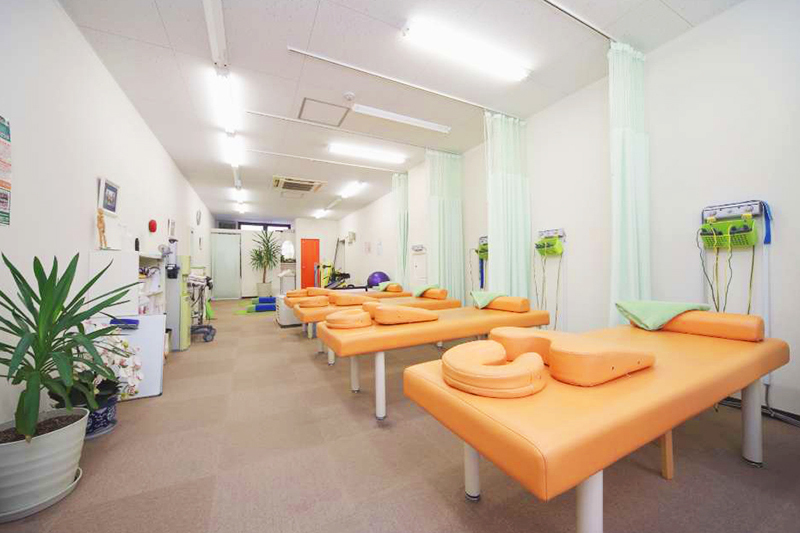
住所
〒213-0002
神奈川県川崎市高津区二子1丁目7−17 リバーサイドマンション杉崎 102
アクセス
二子新地駅 徒歩3分
駐車場:近隣にコインパーキングあり。自転車・バイクは店舗前に駐輪場がございます。
受付時間
月~土
9:00〜13:00 /15:00〜19:00
定休日
日曜・祝日